
Jan 28, 2025
Scarlett Johansson Teeth Veneers | LYGOS DENTAL
In Hollywood, stars are celebrated not only for their talents but also for their captivating appearances.…
Sedation dentistry helps some children stay calm and comfortable during dental treatment by using carefully chosen medication. Depending on the option used, a child may remain awake and relaxed, feel very sleepy, or (in specific cases) be fully asleep. It’s typically recommended for significant anxiety, young age, special healthcare needs, or longer procedures.
Taking a child to the dentist can be surprisingly tough. Some kids manage fine until they hear instruments or smell the clinic. Others feel anxious the moment they sit in the chair.
Sedation dentistry isn’t about “knocking a child out” for convenience. It’s used to reduce fear, limit sudden movement, and make treatment safer when a child can’t cope with dental care in the usual way.
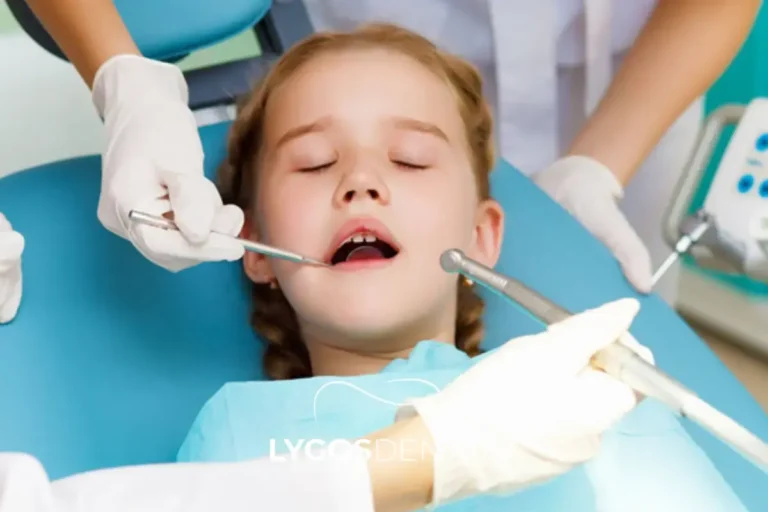
Sedation dentistry for children means using medication to help a child relax during dental treatment. The level can range from mild calmness to deep sleep, depending on the child and the procedure.
The aim is simple: a calmer child, safer treatment, and a better overall experience. Sedation is not needed for every patient, and a good dental team will recommend it only when it adds real benefit.
Every child responds differently to dental visits. Sedation may be suggested when:
In the right situation, sedation can protect a child emotionally and reduce the chance of long-term dental anxiety. It can also help the dentist complete care efficiently, which may mean fewer visits overall.
Dentists typically start with the mildest option that matches the child’s needs and the planned treatment. Here are the most common approaches:
This is one of the most common choices. Your child breathes nitrous oxide through a small mask to feel calmer, while staying awake and responsive. The effects fade quickly once the mask is removed.
Oral sedation is usually given before the appointment, often as a liquid. It can make a child drowsy and deeply relaxed. Some children remember little of the procedure afterward, which can be helpful if anxiety is a big issue.
IV sedation is used when a deeper level of relaxation is needed. It works quickly and is closely monitored throughout treatment by trained professionals. This option is typically reserved for more involved procedures or higher anxiety levels.
General anesthesia is used in select situations, such as extensive dental work, certain special healthcare needs, or when other options aren’t appropriate. Your child is fully asleep, and the team monitors breathing and vital signs continuously.
The emotional side matters. A difficult appointment can leave a child fearful of dental care for years.
When treatment happens in a calmer way, children are more likely to trust the dentist next time. That can make future check-ups and cleanings much easier for the whole family.
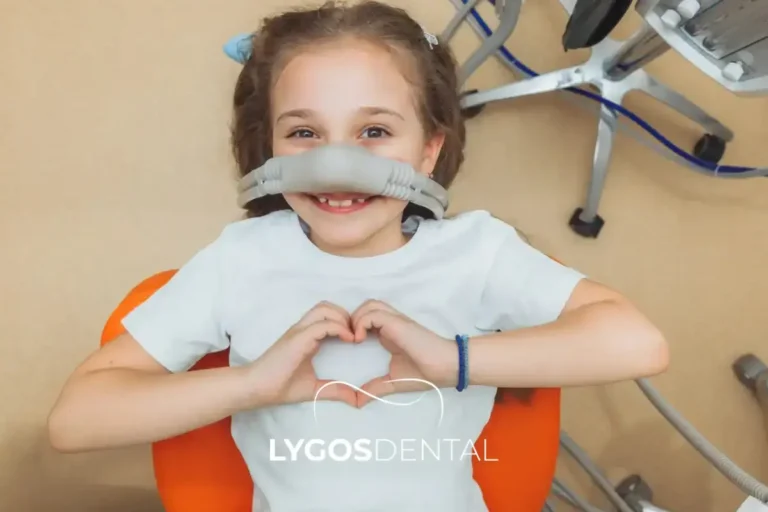
Yes—when it’s planned properly and provided by trained professionals, pediatric dental sedation is generally considered safe. Before recommending sedation, the dental team reviews your child’s medical history, age, weight, medications, and any health conditions.
During treatment, the team monitors breathing, heart rate, and oxygen levels. The most important safety step is choosing a clinic that has appropriate training, monitoring equipment, and clear emergency protocols.
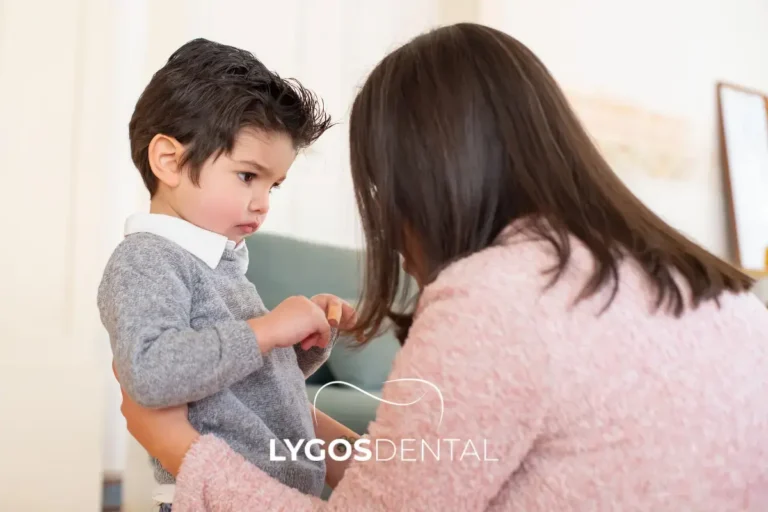
Follow the clinic’s instructions closely—especially rules about eating and drinking before the appointment. These guidelines exist to reduce risk and keep sedation predictable.
When you talk about the visit, keep it simple and calm. Avoid building suspense with words like “pain” or “needle.” After treatment, it’s common for children to feel tired, emotional, or a little confused for a few hours.
If you’d like to talk through sedation options, share your child’s concerns, or plan treatment, contact the clinic to get individualized guidance. Many practices can also explain related services such as general dentistry, crowns, implants, or cosmetic dentistry.
Sedation relaxes or makes the child sleepy, reducing anxiety and movement during treatment.
No fixed minimum age; dentists assess health, weight, and procedure individually.
Nitrous oxide, oral sedatives, IV sedation, or general anesthesia are used for children.
Risks include breathing problems, low oxygen, allergic reactions, nausea, vomiting, and rare emergencies.
Sedation dentistry is very safe when performed by trained teams with continuous monitoring.
Duration ranges from minutes (nitrous) to several hours, depending on medication and dose.
