
Nov 13, 2025
The Cheapest Country for Dental Treatment | LYGOS DENTAL
So, how does tooth loss affect speech? In this article, we will examine in detail the…
Sinus lifting (a sinus lift) is a bone‑grafting procedure used before dental implants in the back of the upper jaw. The surgeon raises the sinus membrane and places graft material to create enough bone height for a stable implant. It’s recommended when bone has thinned after tooth loss or when the sinus is too close to the implant site.
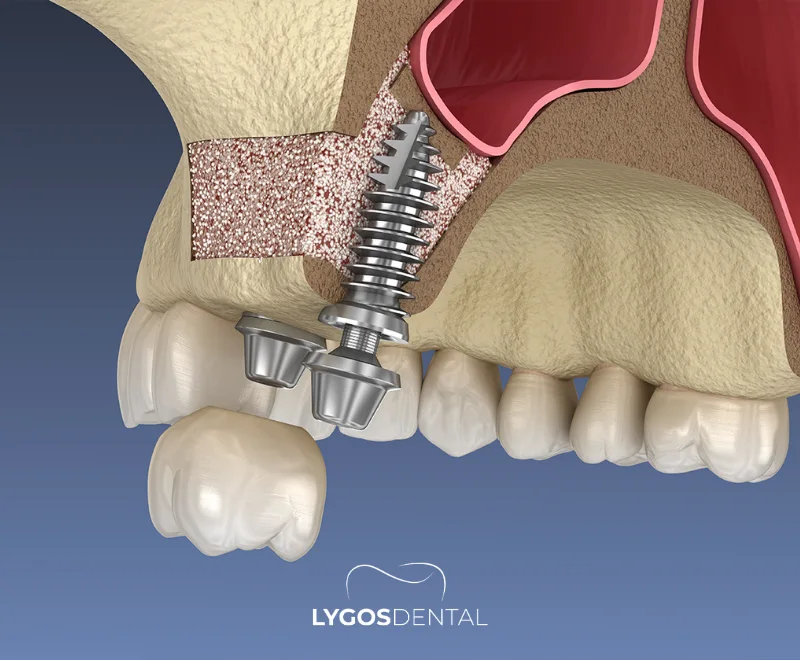
Sinus lifting is a surgical technique that increases bone volume in the posterior (back) part of the upper jaw so dental implants can be placed safely. The maxillary sinus is an air‑filled space above the upper molars and premolars. After tooth loss, the jawbone in this area can shrink and the sinus can expand downward, leaving too little bone for an implant.
During a sinus lift, the surgeon creates space by elevating the sinus membrane (also called the Schneiderian membrane) and filling the area with bone graft material. Over time, new bone forms around the graft, creating the height and density needed for long‑term implant stability.
A sinus lift is recommended when there is not enough native bone to anchor an implant in the upper back jaw. Common reasons include long‑standing tooth loss, bone resorption, and natural anatomy where the sinus sits close to the gum line.
The goal is to improve implant support and reduce the risk of implant failure. Your clinician typically confirms the need for sinus lifting with a clinical exam and 3D imaging (often a CBCT scan) to measure bone height and sinus position.
Sinus lifting is usually performed under local anesthesia, and sedation may be offered for comfort. The exact steps vary by technique, but the procedure generally includes careful access to the sinus, gentle elevation of the membrane, placement of graft material, and closure with sutures.
In some cases, an implant can be placed in the same appointment if there is enough existing bone to secure initial stability. When bone is very thin, the graft is placed first and the implant is inserted after healing.
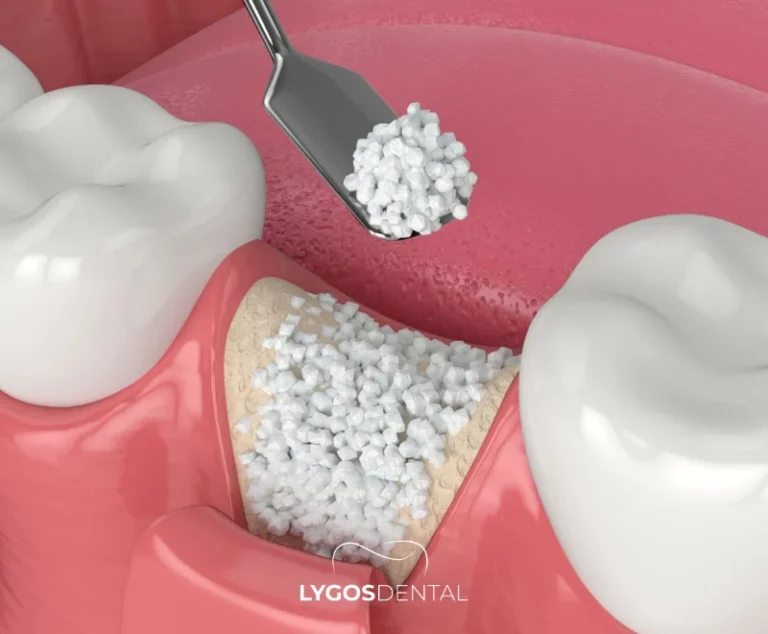
This approach is used when bone height is significantly reduced and more graft volume is needed. The surgeon creates a small window in the side of the upper jaw to access the sinus membrane directly. Implant placement is often delayed until the graft has matured.
This method is suitable when bone loss is mild to moderate and only a small lift is required. The membrane is elevated through the implant site as the implant socket is prepared. It is less invasive and implants are frequently placed in the same session, depending on bone quality.
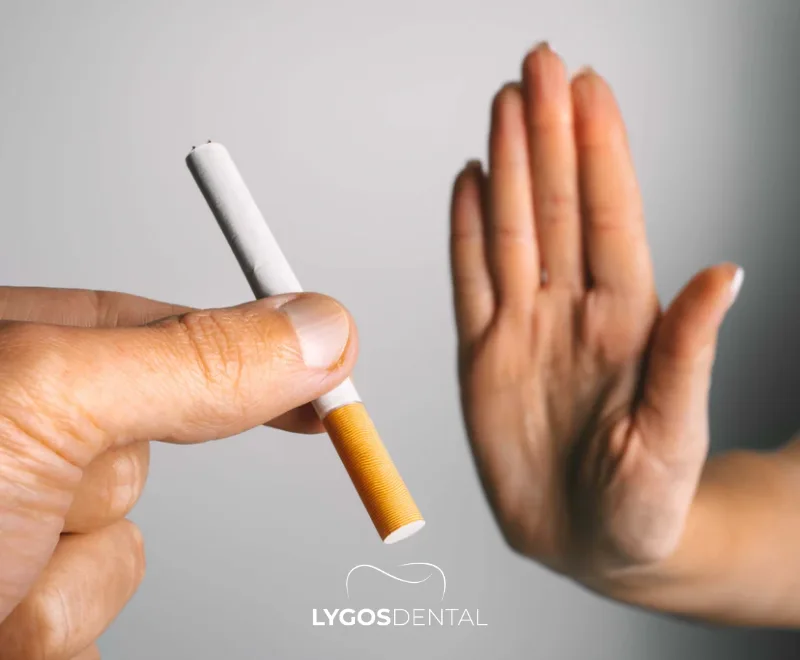
Share your full medical history, medications, and any allergies with your oral surgeon or implant dentist. Smoking can slow healing and increase complication risk, so stopping before surgery is strongly advised. If you have sinus symptoms or an active infection, treatment may need to be postponed until it resolves.
Avoid blowing your nose, forceful sneezing (sneeze with your mouth open), and heavy lifting for the period your surgeon recommends. Take prescribed antibiotics or pain relief exactly as directed, and keep the surgical area clean using the oral hygiene routine provided.
Stick to soft foods and avoid very hot or hard items in the first days. Contact your clinic promptly if you develop increasing swelling, fever, persistent bleeding, or a bad taste or discharge that worsens.
Initial soft‑tissue healing typically takes about 7–10 days, which is when sutures are often removed if non‑resorbable stitches were used. Some swelling, mild pain, and bruising are common in the first few days and usually respond well to prescribed medication.
Bone maturation takes longer. Most patients need roughly 4–6 months for the graft to integrate before implant placement (or before the implant is fully loaded), though timelines vary based on graft type, technique, and individual healing.
Sinus lifting is a well‑established procedure, but it remains delicate because the sinus membrane is thin. The most common intra‑operative issue is a membrane tear; when it occurs, surgeons can often repair it and continue or reschedule implant placement depending on severity.
Other potential risks include infection, sinus congestion, graft movement, or sinusitis. Choosing an experienced clinician, following aftercare instructions, and attending follow‑up visits helps keep risks low.
It is most often recommended for people who want implants in the upper molar or premolar region but do not have enough bone height. This can happen after tooth loss, periodontal bone loss, or due to naturally large sinuses.
The procedure is performed with anesthesia, so you should not feel pain during surgery. Soreness afterward is common and is usually controlled with prescribed pain relief and cold compresses in the first 24–48 hours.
If there is adequate bone for initial implant stability, implants may be placed at the same time as the lift. When bone height is very limited, many clinicians wait about 4–6 months for graft integration before placing the implant.
Many sinus lift procedures take around 30–60 minutes, depending on whether the approach is open or closed and how much grafting is required. Your clinic can give a more accurate estimate after imaging and examination.
Avoid actions that increase sinus pressure, such as nose blowing, using straws, or strenuous exercise until your clinician says it is safe. Smoking should be avoided during healing because it can compromise blood flow and slow bone formation.
