Surgical Tooth Extraction: What It Is, When It’s Needed, And Recovery
Surgical tooth extraction is a minor oral surgery used when a tooth can’t be removed with a standard “simple” extraction—most often because it’s impacted, badly broken, or the roots are difficult to access. The dentist makes a small incision, may remove a little bone, and sometimes divides the tooth into sections before removal, then closes the area with stitches.
What Surgical Tooth Extraction Means
Surgical tooth extraction is used when pulling a tooth straight out isn’t safe or possible. It’s commonly needed for impacted wisdom teeth, teeth that have broken at the gumline, or roots that are curved, deep, or fragile. The procedure is usually done under local anesthesia, and sedation can be an option for anxious patients.
Surgical vs Simple Tooth Extraction
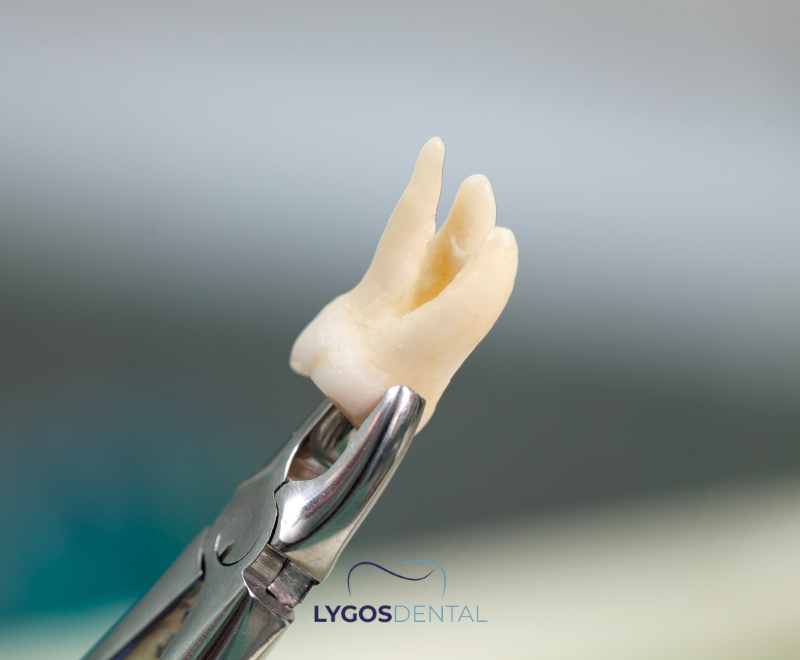
A simple extraction removes a fully visible tooth using elevators and forceps, with no gum incision. A surgical extraction involves accessing the tooth through the gum, and sometimes the surrounding bone, to remove it with minimal trauma.
Surgical cases can take longer and may cause more swelling than a simple extraction. Most people still return to routine activities within a few days, depending on the tooth and the level of surgery.
Table of Contents
When Surgical Extraction Is Needed
Dentists usually recommend a surgical approach in situations like these:
Impacted teeth: The tooth is trapped under gum or bone, which is common with wisdom teeth.
Severely broken teeth: The crown has fractured and there isn’t enough tooth above the gum to grip safely.
Root fractures or complex root shape: A cracked root or sharply curved roots can make simple extraction unreliable.
Advanced decay or infection: The tooth structure is too weak, or the surrounding tissue needs careful management.
Certain orthodontic plans: Extractions may be needed for space, and a surgical approach is chosen if access is difficult.
Severe gum or periodontal disease with mobility issues: Inflamed tissue and bone loss can complicate removal and healing.
How The Procedure Works
Exact steps vary by tooth position and imaging findings, but the flow is usually consistent:
Numbing and comfort planning: Local anesthesia is used. Depending on the case, the clinic may offer sedation.
Access: A small incision is made in the gum to reach the tooth. If needed, a small amount of bone is removed.
Removal: The tooth may be lifted out in one piece or divided into sections to protect nearby tissue.
Cleaning and closure: The socket is cleaned, and stitches may be placed to support healing.
Aftercare instructions: You’ll be given guidance on pain control, diet, and oral hygiene, plus a follow-up plan if needed.
Recovery Timeline And Aftercare
Most surgical extraction sites heal in stages. Soft tissue often settles within 7–10 days, while deeper healing can take a few weeks, especially after impacted tooth removal.
First 24 Hours
Expect some bleeding, swelling, and soreness. Bite gently on gauze as directed, rest, and use cold packs on the outside of the cheek in short intervals. Avoid spitting, smoking, or using a straw, since suction can dislodge the blood clot.
Days 2–3
Swelling usually peaks and then starts to improve. Keep up with prescribed or recommended pain relief, and stay hydrated. If your dentist recommends it, gentle salt-water rinses can help keep the area clean.
First Week
Stick to soft foods, then slowly return to normal eating as comfort allows. Brush normally but gently around the site, and avoid poking the socket. Heavy exercise can raise bleeding risk, so keep activity light for a few days.
Weeks 2–4
Tenderness and food trapping usually reduce as the gum closes. If you had stitches, they may dissolve on their own or be removed at a follow-up visit, depending on the type used.
Risks And Possible Complications
Surgical extractions are routine, but complications can happen. Your dentist balances these risks against the benefits of removal.
Dry socket (alveolar osteitis): Clot loss can cause increasing pain a few days after extraction.
Infection: Persistent swelling, fever, or pus can signal infection and needs assessment.
Prolonged bleeding: Oozing is common early on, but heavy bleeding should be addressed promptly.
Nerve irritation: Lower wisdom teeth sit near nerves; temporary numbness is possible in some cases.
Sinus communication: Upper back teeth can be close to the sinus, which may require specific aftercare.
When To Contact A Dentist Urgently
Bleeding that doesn’t slow after firm gauze pressure
Pain that worsens after day 3, especially with a bad taste or odor
Fever, chills, or rapidly increasing swelling
Trouble swallowing or breathing
Numbness that doesn’t improve
Surgical Tooth Extraction Cost In Turkey
Pricing depends on the tooth’s position, whether it’s impacted, the imaging required (such as panoramic X‑ray or CBCT), the anesthesia or sedation choice, and the clinic’s location and expertise. Because the procedure can range from straightforward to highly complex, clinics typically quote after an exam.
As a rough reference, Turkish clinics and price guides for 2026 describe standard extractions starting from around 1,800–2,600 TL, while more complex or impacted (surgically removed) teeth may be several times higher, commonly falling in the mid‑thousands of TL depending on complexity. International patient packages may be priced differently if they include consultations, imaging, medications, and follow-up care.
Frequently Asked Questions
When is surgical tooth extraction necessary?
Surgical extraction is necessary when the tooth is impacted, broken, or not accessible for forceps.
What is the recovery time for a surgical tooth extraction?
Most people resume routine activities in 2–3 days; full bone healing takes weeks.
What to expect after a surgical tooth extraction?
Expect bleeding first hours, swelling 1–2 days, soreness, and gradual improvement over a week.
When can I go back to work after a surgical tooth extraction?
Desk work is often possible in 1–2 days; heavy labor may need 3–5.
Why does my tooth need to be surgically removed?
Your tooth needs surgery because it’s trapped, fractured, or too damaged for simple removal.
Is surgical extraction different from normal extraction?
Yes; surgical extraction uses an incision and sometimes sectioning, unlike simple forceps removal.




 Blog
Blog