
Jun 28, 2025
How Should Dental Care Be Done in the Summer Months?
So, how should dental care be done in the summer months? With hot weather and changing…
A tooth extraction is the removal of a tooth from its socket to stop pain, control infection, or protect your overall oral health. Dentists use local anaesthetic for most cases, and oral surgeons handle more complex extractions such as impacted wisdom teeth. With proper aftercare, most people heal in about 1–2 weeks.
Tooth extraction is a dental procedure where a tooth is removed from the gum and jawbone socket. It’s commonly recommended when a tooth can’t be saved with treatments such as a filling, root canal, or crown, or when keeping the tooth may harm nearby teeth and gums. Extractions are usually done in an outpatient setting.
Your dentist will numb the area with local anaesthetic, and may recommend sedation if you feel anxious or if the procedure is expected to be lengthy. After the tooth is removed, the goal is to protect a stable blood clot in the socket, because it’s essential for normal healing.
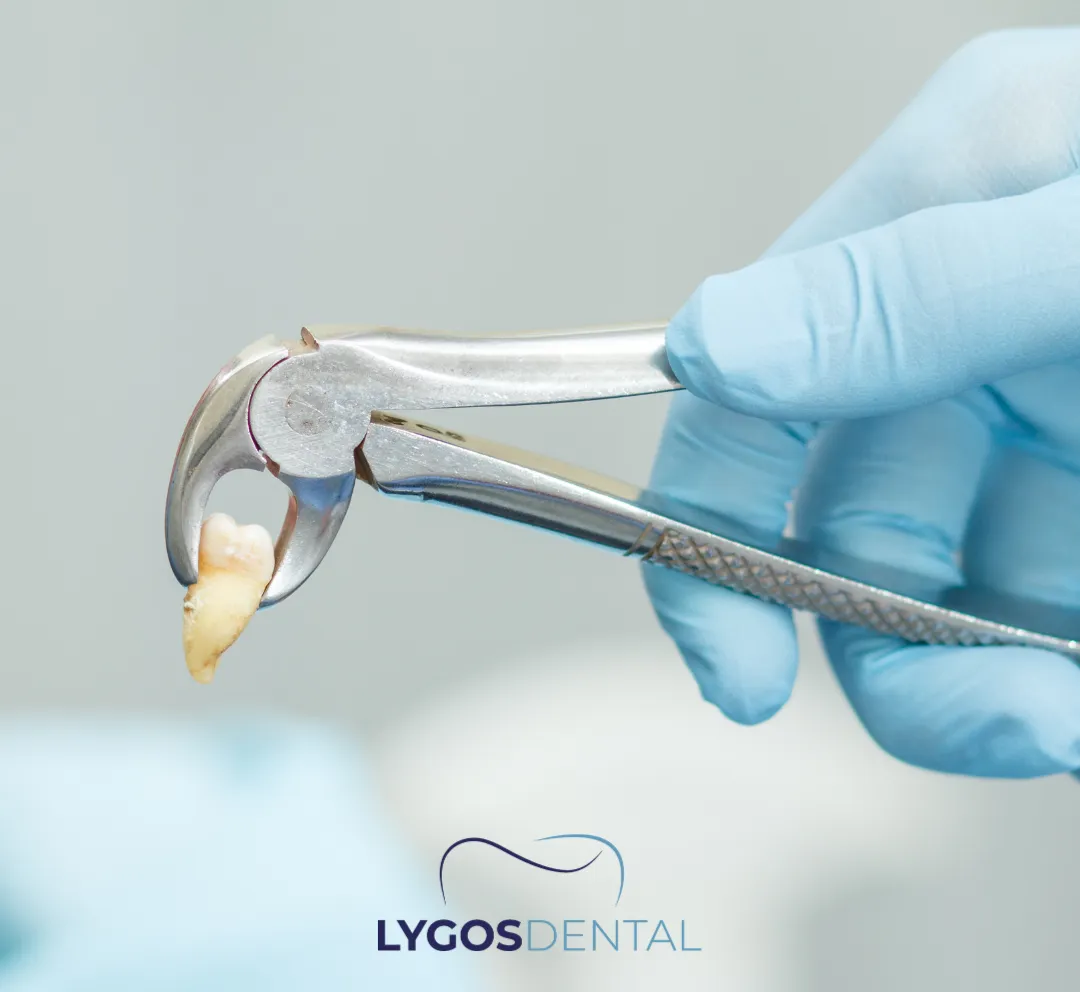
Dentists generally perform two main types of extraction:
Surgical extraction: Used when the tooth is broken at the gum line, has curved roots, or is trapped under the gum (impacted). The clinician may make a small incision and, in some cases, remove a little bone or section the tooth to remove it safely.
Most extractions follow a similar flow: an exam (often with an X‑ray), numbing the area, gently loosening the tooth, and removing it. If the extraction is surgical, your clinician may make a small opening in the gum and remove the tooth in one piece or in sections.
Before you leave, you’ll receive aftercare instructions tailored to your case. If sedation or general anaesthetic is used, you’ll need someone to accompany you home and you may be advised to rest for the remainder of the day.
Tooth extraction is considered a safe procedure, but any surgical treatment comes with risks. Your dentist or surgeon will review your medical history and explain what applies to your situation.
Sinus complications: Upper back teeth can be close to the sinus. In rare cases, an opening can occur and may need additional care.
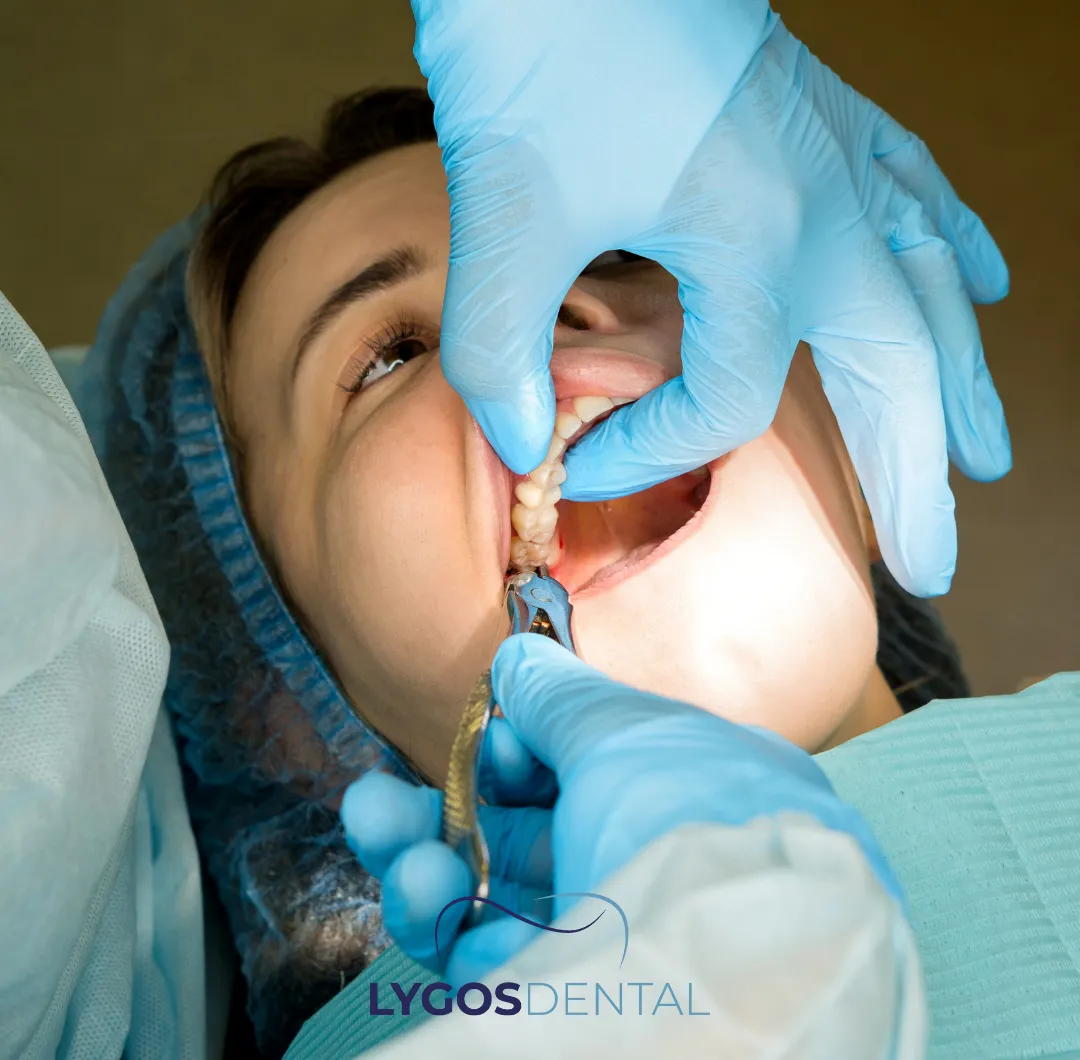
Wisdom teeth (third molars) typically erupt between ages 17 and 25. Because many people have limited jaw space, these teeth may come through at an angle, only partially erupt, or remain trapped under the gums.
Removal is commonly recommended when wisdom teeth are impacted, repeatedly inflame the gums, develop decay that’s hard to treat, or contribute to crowding or damage to neighbouring teeth. Your dentist may also suggest removal if imaging shows a high risk of future problems.
If you’re comparing clinics, look for a licensed dentist or oral surgeon with clear experience in the type of extraction you need (simple, surgical, or impacted wisdom teeth). Patient reviews can be useful, but prioritise clinical credentials, transparent explanations, and a practice that explains anaesthetic options and aftercare clearly.
A short consultation can help you understand the treatment plan, expected recovery, and total cost. If you have dental insurance, ask the clinic to check your coverage and provide an itemised estimate before scheduling the procedure.
Pricing varies by location, the clinician’s experience, whether imaging or sedation is needed, and how complex the extraction is. Insurance may cover part of the cost when the extraction is medically necessary.
Typical cost ranges (may vary widely):

Wisdom tooth removal can cost more than routine extractions because the teeth are often impacted and may require sectioning, bone removal, and/or deeper sedation. Total costs are also influenced by how many teeth are removed in one visit and the type of anaesthesia used.
Typical cost ranges (may vary widely):
Good aftercare protects the blood clot and lowers the risk of dry socket and infection. Follow your clinician’s instructions, since recommendations can vary based on the tooth removed and your medical history.

Contact your dental provider promptly if you have heavy bleeding that doesn’t slow, fever, worsening swelling after the first 2–3 days, a bad taste or pus, or severe pain that starts a few days after the extraction (which can be a sign of dry socket).
How long does healing take?
Most people feel significantly better within a few days. Soft tissue often heals in about 1–2 weeks, while the underlying bone can take longer.
Will I need a replacement tooth?
If a molar or visible tooth is removed, ask about replacement options such as an implant, bridge, or partial denture to prevent shifting and restore chewing function.
Can I go back to work the same day?
Many people return to normal activities the next day after a simple extraction. Surgical cases, especially wisdom teeth with sedation, often need more recovery time.
