
Aug 15, 2025
How to Relieve a Toothache That Keeps You Awake
So, how to relieve a toothache that keeps you awake effectively, and what can be done…
If a laminate veneer chips or breaks, save the piece if you can, avoid chewing on that tooth, and contact your dentist promptly. Rinse gently with warm salt water and use over-the-counter pain relief if you feel sensitivity. Most breaks can be repaired or replaced, and early care helps protect the underlying tooth.
Laminate veneers can look very natural and, with proper care, often last for years. Still, accidents happen, and a veneer can crack, chip, or come off.
The right next steps depend on how the veneer failed and whether the tooth underneath is exposed. This guide covers what to do immediately, common repair options, and practical ways to prevent another break.
This information is general guidance and does not replace an in-person dental exam. If you have significant pain, swelling, or facial trauma, seek urgent dental or medical care.

A laminate veneer is a thin porcelain shell bonded to the front surface of a tooth, most often on the front teeth. It can improve color, shape, minor spacing, and small alignment concerns while preserving much of the natural tooth.
Because veneers are thin, they rely on strong bonding and a stable bite. When the bond is stressed or the veneer takes a direct hit, it can chip, crack, or detach.

Seek urgent help sooner if you notice severe pain, ongoing bleeding, facial swelling, a loose tooth, or if the break followed a significant impact.
Often, yes. The best option depends on the size of the break, where it occurred, the condition of the bonding surface, and whether the underlying tooth or filling material was damaged.
Your dentist will usually check your bite, look for cracks, and evaluate the tooth underneath before deciding whether a repair is predictable or a replacement is safer.
Small chips at the edge can sometimes be smoothed or repaired with tooth-colored composite. This is typically completed in one visit and can be a cost-effective fix, though it may not be as wear-resistant as porcelain.
If the veneer came off in one piece and the porcelain is not fractured, rebonding may be possible. Success depends on how clean the veneer and tooth surfaces are and whether enough bonding surface remains.
For larger fractures, repeated breakage, or poor fit, replacing the veneer is often the most durable option. A new veneer may require an impression or digital scan and a short lab turnaround, with a follow-up appointment for bonding.
If your tooth looks uneven or feels sensitive while you wait for a final restoration, a temporary veneer or temporary composite can protect the tooth and maintain appearance.
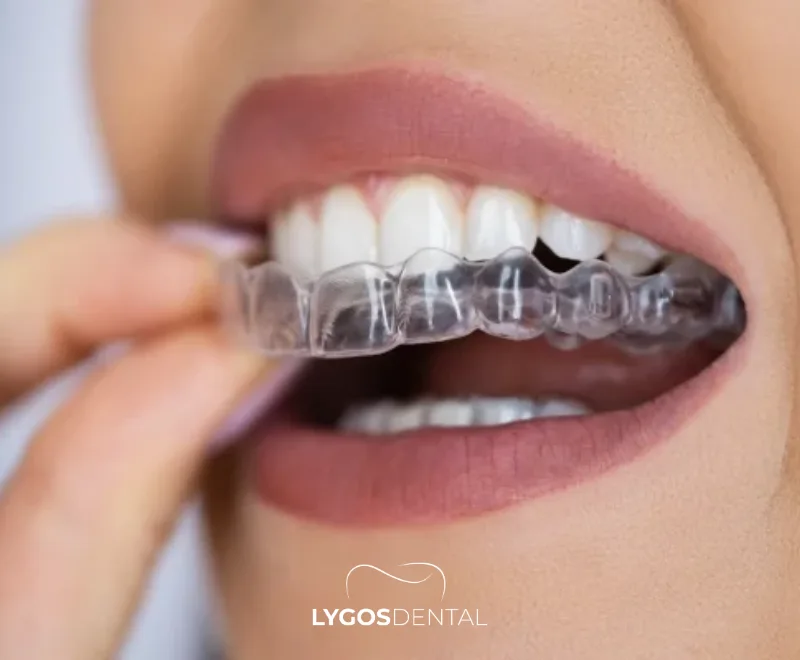
Contact a dentist as soon as you can. Early assessment helps prevent further damage and makes repair options more predictable.
No. A veneer cannot repair itself. It needs professional evaluation to decide on smoothing, bonding repair, rebonding, or replacement.
Sometimes. A veneer may chip without affecting the tooth, but a deeper fracture or a knocked-off veneer can expose enamel or dentin, which may cause sensitivity.
Minor smoothing or composite repair is often completed in one visit. If a new veneer is needed, it usually takes more than one appointment because a lab or milling step is involved.
Not always. Pain or strong sensitivity is more likely if the tooth underneath is exposed, the bite is high, or the break happened with trauma.
A broken laminate veneer is frustrating, but it is usually manageable with the right timing and treatment choice. Protect the area, avoid chewing on the tooth, and arrange a dental visit promptly so your dentist can restore function and appearance safely.

So, how to relieve a toothache that keeps you awake effectively, and what can be done…
 Blog
Blog
Finding accurate information for those searching for the "Best aesthetic dental clinics in Nişantaşı" is crucial…
A great smile can make a lasting impression, and for celebrities like Shemar Moore, having perfect…