![What to Eat During Orthodontic Treatment | LYGOS DENTAL]()
What to Eat During Orthodontic Treatment
Stick to soft, nutrient-dense foods that won’t bend wires or pop brackets—yogurt, eggs, soups, pasta, cooked vegetables, and smoothies. Cut firmer foods into small pieces, chew slowly, and avoid sticky, hard, or crunchy snacks. These choices reduce soreness, protect your appliance, and help treatment stay on schedule.
Orthodontic Treatment: What It Is And Who It Helps
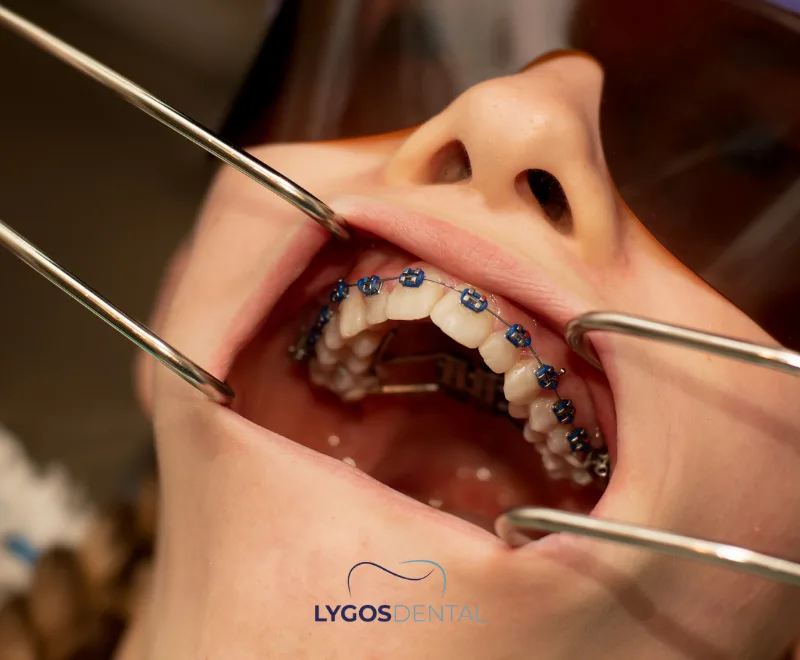 Orthodontic treatment moves teeth and, when needed, the jaw into healthier alignment. It can improve bite function, speech clarity, cleaning access, and overall smile aesthetics. Treatment may involve metal or ceramic braces, lingual braces, or clear aligners such as Invisalign. Because brackets, wires, and attachments sit on the teeth, food choices matter from day one.
Why Diet Matters During Orthodontic Treatment
Brackets and wires create new pressure points in the mouth. Hard or sticky foods can break appliances, irritate soft tissues, and make cleaning harder. Poor choices may lead to plaque buildup, enamel damage, or gum inflammation. A braces-friendly diet can help you:
- Lower the risk of broken brackets, bent wires, or lost aligner attachments
- Reduce cheek and gum irritation
- Keep brushing and flossing easier and more effective
- Support healthy gums and enamel throughout treatment
- Avoid unnecessary delays in your treatment plan
What To Eat In The First Week After Getting Braces
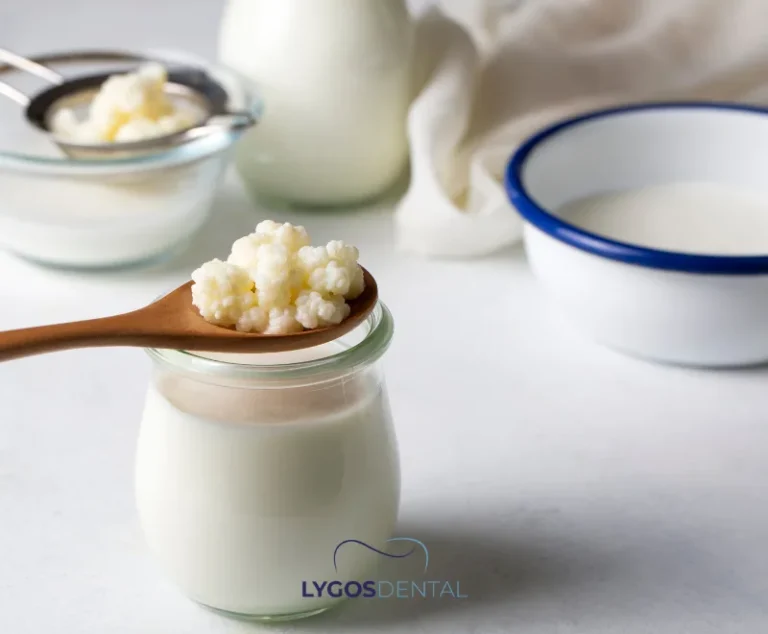 Tenderness is common for the first few days and after adjustment appointments. Choose soft foods that require minimal chewing, and keep foods lukewarm to avoid triggering sensitivity.
- Yogurt or kefir: cool and soothing for sore gums
- Soups and broths: blended vegetable soups or chicken broth are easy to eat
- Mashed potatoes or other purées: filling and gentle on brackets
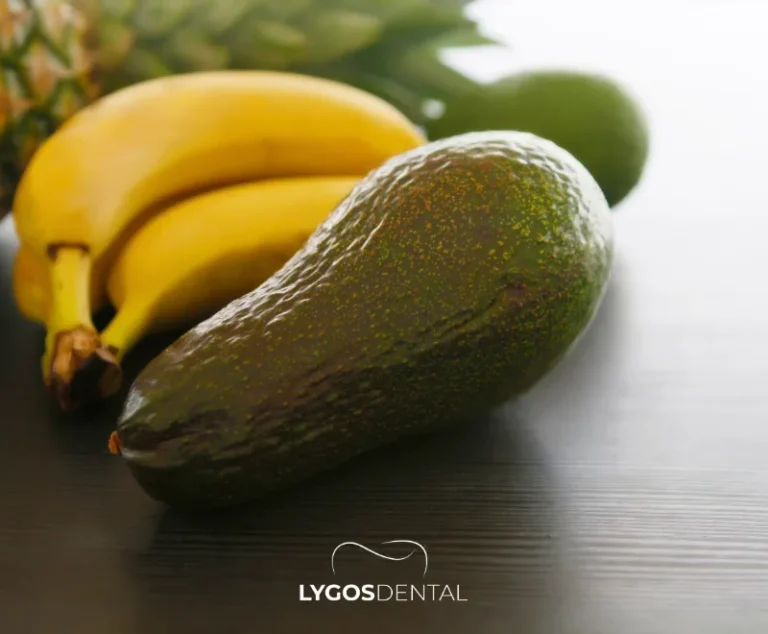
- Soft fruits: bananas, ripe pears, or avocado
- Cooked vegetables: zucchini, broccoli, pumpkin, or well-steamed carrots
- Oatmeal or soft cereal soaked in milk
Best Braces-Friendly Foods For Everyday Meals
Once the initial soreness eases, you can expand your menu. Aim for foods that are soft, easy to chew, and not likely to stick to brackets or get trapped around wires.
Dairy And Calcium-Rich Options
Milk, cheese, yogurt, and ayran/buttermilk support enamel and are generally easy to eat with braces.
Protein That’s Easy On Braces
Eggs (boiled, scrambled, omelets), flaky fish, tofu, and tender ground meat are practical protein choices. If you eat chicken or beef, choose softer cuts and chop them into small pieces.
Soft Grains And Starches
Pasta, rice, couscous, soft bread without a hard crust, and well-cooked oats are usually safe. Avoid biting into hard rolls or crusty baguettes.
Fruits And Vegetables
Soft fruits are easiest. For firmer produce, slice thinly, grate it, or cook it until tender.
- Smoothies made with berries, banana, yogurt, and oats
- Apples or carrots: cook, grate, or slice into very small pieces
- Leafy greens: add to soups, omelets, or smoothies
Soups, Stews, And One-Bowl Meals
Lentil soup, vegetable soup, and soft stews can deliver vegetables and protein without heavy chewing. Let hot soups cool slightly before eating.
Snacks And Desserts
Try hummus, soft muffins, pudding, custard, or ripe fruit. If you choose ice cream, rinse with water afterward to reduce sugar sitting on the teeth.
Foods to Avoid with Braces
Some foods commonly break brackets, bend wires, or get stuck in places that are hard to clean. Limiting them helps prevent emergency visits and keeps progress steady.
Hard Foods
- Nuts, popcorn kernels, hard candy, ice
- Crusty bread, hard pizza crusts
- Whole raw apples or large raw carrot sticks
Sticky Or Chewy Foods
- Caramel, taffy, gummy candies, Turkish delight
- Chewing gum
- Very chewy bagels or jerky
Crunchy Snacks
- Chips, crackers, pretzels
- Granola clusters and hard cereals
Foods With Pits, Bones, Or Shells
- Cherries, olives, and other fruits with pits (remove pits first)
- Bone-in meats (cut meat off the bone before eating)
Sugary And Acidic Drinks
Soda and frequent acidic drinks can increase enamel wear, especially around brackets. If you drink them occasionally, use a straw and rinse with water afterward.
Foods That Can Help Relieve Braces Soreness
 When your teeth feel tender after braces are placed or tightened, focus on temperature and texture.
Cool Options
- Cold yogurt, kefir, or smoothies
- Soft ice cream or frozen yogurt (in moderation)
- Chilled applesauce
Warm (Not Hot) Options
- Vegetable soup, chicken broth, or lentil soup
- Mashed potatoes, soft pasta, or rice
- Warm oatmeal
Practical Eating Tips To Protect Your Braces
- Cut food into small, bite-sized pieces and chew slowly.
- Try to chew with your back teeth rather than biting with the front teeth.
- Rinse with water after meals to clear food from around brackets and wires.
- Brush and floss carefully, especially after sugary or starchy foods.
- If something feels stuck, use an interdental brush or water flosser instead of toothpicks.
- If you wear aligners, remove them for meals and drinks other than water, then clean your teeth before putting them back in.
Orthodontic treatment takes time, but eating well makes it easier. Soft, braces-safe foods support comfort and oral hygiene, while avoiding hard and sticky items protects your appliance. If you’re unsure whether a food is safe, ask your orthodontist at your next visit.
To book an appointment or ask questions about braces, aligners, cosmetic dentistry, dental crowns, implants, or general dentistry, contact our clinic.
FAQ
What should I eat during braces treatment?
Eat soft, non-sticky foods: yogurt, eggs, pasta, rice, cooked vegetables, soft fruits.
What should I avoid eating while wearing braces?
Avoid hard, sticky, chewy foods: nuts, popcorn, caramel, gum, ice, hard candy.
Can I bite into and eat a hamburger while wearing braces?
Yes, if you cut it into small pieces and avoid biting directly.
What drinks should I avoid while wearing braces?
Avoid sugary or acidic drinks: soda, energy drinks, sports drinks, and frequent juice.
Can I eat cookies while wearing braces?
Yes, choose soft cookies; avoid hard, crunchy cookies and biting with front teeth.


 Blog
Blog