
Jun 18, 2025
How to Get Rid of Bad Breath?
Who is more likely to experience them, and how to close gaps between teeth using modern…
Most children start getting permanent (adult) teeth at about age 6, often with the first molars and the lower front teeth. Eruption continues through the early teen years, with most permanent teeth in place by 12–13. Third molars (wisdom teeth) may appear later, typically between 17–25.
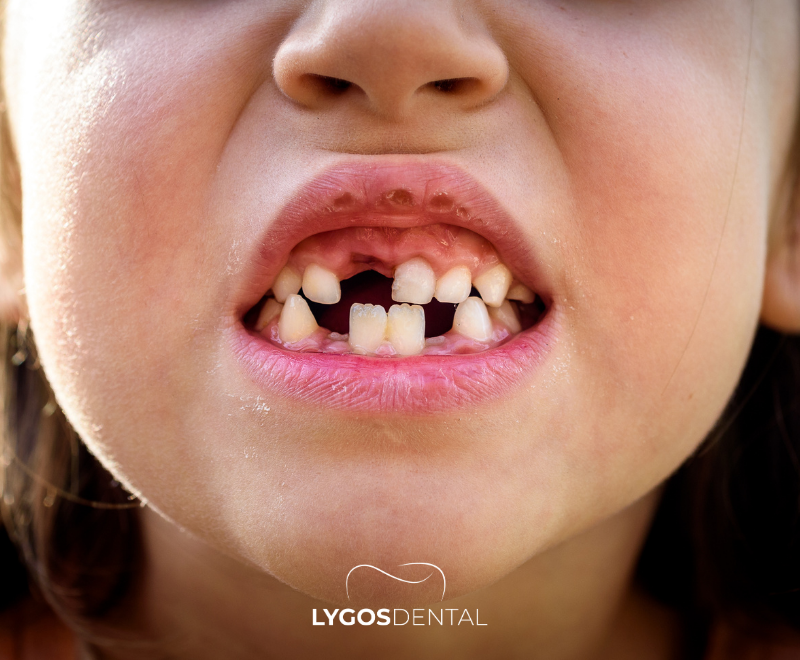
Baby teeth help with chewing, speech, and jaw growth, and they hold space for the adult teeth that follow. Most children start losing baby teeth around age 6, though it can happen a little earlier or later. This period is called the mixed dentition stage because baby teeth and permanent teeth are both present.
Permanent teeth usually begin erupting between ages 5 and 7, with age 6 as the most common starting point. The first teeth you may notice are the first permanent molars (often called the “6-year molars”) and the lower central incisors. Timing varies by child and can be influenced by genetics, overall growth, and oral health.

Children don’t all follow the exact same schedule, but the sequence is fairly consistent. Below are typical age ranges for eruption (upper and lower jaws can differ):
If the order looks different in your child, it doesn’t automatically mean there’s a problem. Dentists focus on patterns such as crowding, teeth that are “stuck,” or large delays between teeth on the right and left sides.
The 6-year molars are the first permanent molars to erupt, and they do not replace any baby tooth. They come in behind the baby molars, so it’s easy to mistake them for “new baby teeth.” Because they arrive early and have deep grooves, they’re at higher risk for cavities if brushing is inconsistent.
Ask your dentist whether fissure sealants are appropriate once these molars are fully erupted. Sealants can help protect the biting surfaces from decay, especially in children who are prone to cavities.
A few months’ difference is usually normal. It’s worth booking a dental check if your child is 7–8 and hasn’t started losing any baby teeth, or if a permanent tooth is visible but can’t come through the gum properly.
Common reasons for delayed eruption include:
Your dentist may recommend an exam and X-rays to confirm that the adult teeth are present and to check their position. In some cases, removing a retained baby tooth can help the permanent tooth erupt normally.
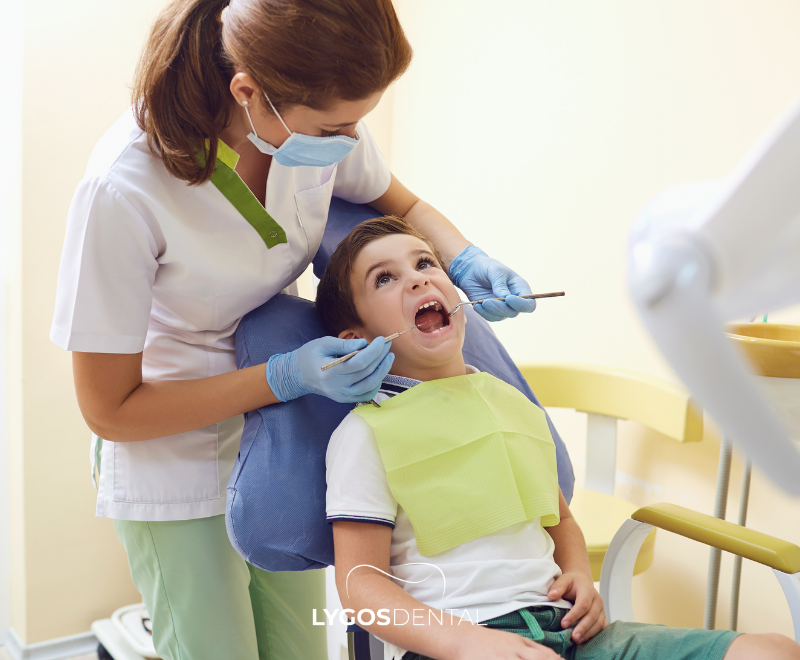
Newly erupted teeth can be harder for children to clean, especially the back molars. Strong daily habits during the mixed dentition years make a long-term difference.
Around age 6, first molars and lower incisors usually erupt.
Yes; permanent lateral incisors commonly erupt around age 7–8.
No vitamins grow adult teeth; vitamin D and A support tooth development.

Who is more likely to experience them, and how to close gaps between teeth using modern…
 Blog
Blog
Dental Floss or Oral Irrigator Dental floss and oral irrigators (water flossers) both clean between teeth,…
A beautiful smile can boost confidence, but dental gaps, also known as diastema, may sometimes be…