
Dec 2, 2025
What Is Dental Wax and How to Use It? | LYGOS DENTAL
So, how does tooth loss affect speech? In this article, we will examine in detail the…
A dental implant can be placed on the same day as an extraction, a few weeks later, or after the socket heals—often 4–8 weeks or 12–16 weeks, and sometimes 6+ months when infection, bone loss, or grafting is involved. The safest timing depends on bone, gum thickness, and your medical history.
After a tooth is removed, the socket starts to heal and the jawbone naturally remodels. This is normal, but it can reduce the width of the ridge and change the gum contour—especially in the first weeks and months.
Implant timing is planned to balance three goals: placing the implant in the ideal position, achieving strong initial stability in bone, and lowering the risk of complications such as infection or gum recession. Your dentist uses an exam and imaging to decide which window fits your site.
A dental implant is a small titanium or titanium-alloy post that replaces the root of a missing tooth. Over time, it bonds with the jawbone (osseointegration), creating a stable base for a crown, bridge, or denture.
Most implant treatments follow these steps:
The best question is usually not only “how long should I wait,” but “which timing option will give the safest, most stable result for my mouth.”

Clinicians commonly describe four timing categories. The time ranges below are typical; your plan may differ based on anatomy, infection, and whether grafting is needed.
| Option | Typical Timing | Common Reasons To Choose It | Trade-Offs |
| Immediate (Type I) | Same visit as extraction | Healthy socket, no acute infection, enough bone for stability | Technique-sensitive; recession risk can be higher in thin tissues |
| Early With Soft-Tissue Healing (Type II) | About 4–8 weeks | Lets gums close over the socket; time to confirm infection has settled | Two procedures; some early bone remodeling occurs |
| Early With Partial Bone Healing (Type III) | About 12–16 weeks | Improves stability after more bone fill; useful after larger lesions | Longer overall timeline; ridge changes may be more advanced |
| Late / Healed Site (Type IV) | About 6+ months | When grafting, significant infection, or a planned delay is needed | More ridge resorption risk; grafting is more likely |
Immediate placement means the implant is inserted right after the tooth is removed, during the same appointment. It can work well when the socket walls are intact, the gums are healthy, and there is enough bone to anchor the implant securely.
It may be considered when:
Immediate placement can reduce the number of surgeries and shorten total treatment time. Still, it is not the best choice for every site, especially in high-aesthetic areas with thin bone or thin gums.
In this approach, the extraction site is allowed to close with gum tissue before the implant is placed. That extra soft tissue can make it easier to manage the site and can provide a clearer picture of whether inflammation or infection has resolved.
Waiting a few months allows more bone fill to develop inside the socket, which can help with implant stability. This window is often considered when a larger periapical lesion or other local issue makes earlier placement less predictable.
Late placement means the implant is placed after the socket has healed and remodeled. This timing is sometimes preferred when significant grafting is planned, when infection needs full resolution, or when treatment has been delayed for personal or medical reasons.
The drawback is that the ridge may shrink during healing, which can increase the need for bone augmentation to rebuild the site.

Your dentist looks at site-related and health-related factors together. These are the most common decision points:
Bone volume and density: Adequate bone is needed to stabilize the implant. If the socket is thin or damaged, grafting may be recommended before or during placement.
Infection and gum disease: Acute infection is a reason to delay placement. Chronic periodontal problems may need treatment first to lower the risk of peri‑implant disease.
Gum thickness and aesthetics: Thin gums and thin facial bone carry a higher risk of gum recession, especially with immediate placement in the front of the mouth.
Need for bone grafting or sinus procedures: If ridge preservation, staged grafting, or a sinus lift is required, the timeline may extend to allow graft healing.
General health and medications: Uncontrolled diabetes, immune suppression, radiotherapy history, and certain bone medications can affect healing and risk. A tailored plan is essential.
Smoking and nicotine use: Nicotine reduces blood flow and is linked with higher implant complication and failure rates. Stopping before and after surgery improves healing.
Neither option is automatically “better.” Immediate placement can be efficient, but it demands ideal anatomy and careful technique. Early or late placement can be safer when the socket is compromised, infection is present, or grafting is required.
A good plan focuses on predictable stability and healthy gums around the final crown. If your dentist recommends waiting, it is usually to protect the long-term result—not to slow the process down.
Leaving an extraction space unfilled can lead to gradual bone shrinkage in that area. Over time, nearby teeth can drift, the bite can change, and chewing efficiency may drop.
Gaps in visible areas can also affect appearance and speech clarity. If you are unsure which replacement option is best, a consultation soon after extraction keeps more choices on the table.
Yes, same-day placement is sometimes possible. It works best when there is no acute infection and your dentist can stabilize the implant in healthy bone. In many cases, a small amount of grafting is also used to support the contour around the implant.
A common next step is early placement after soft-tissue healing (around 4–8 weeks) or after partial bone healing (around 12–16 weeks). If grafting is needed or the site needs more time to settle, treatment may be planned for 6 months or longer.
The longer the gap, the more the ridge tends to shrink. That can make implant placement more complex and may increase the need for bone grafting to restore the ideal shape for a stable, natural-looking crown.
The procedure is typically done with local anesthetic, so you should not feel pain during surgery. Soreness and swelling afterward are common for a few days and are usually managed with prescribed or over-the-counter pain relief, depending on your clinician’s advice.
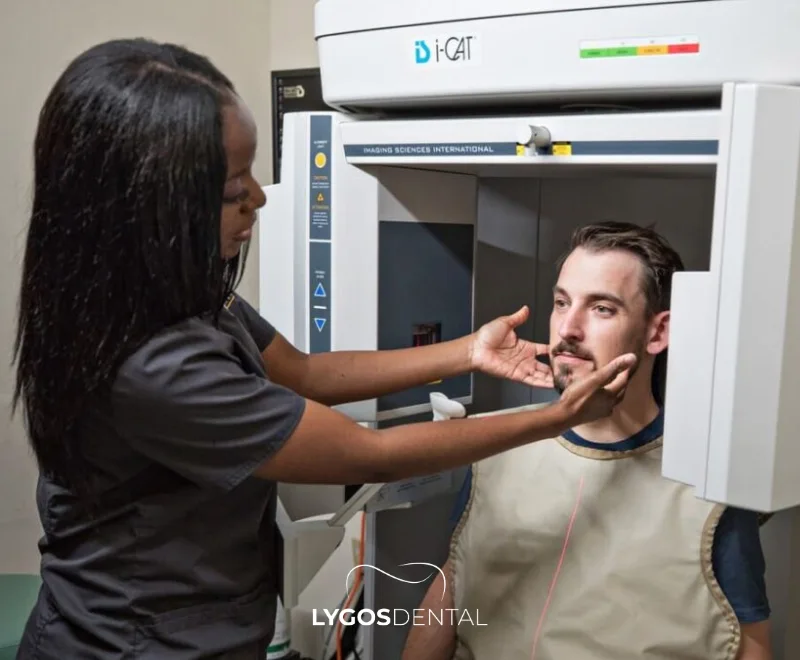
Your dentist will assess gum health, bite forces, and bone volume using an exam and X-rays or 3D imaging. Good oral hygiene, controlled health conditions, and avoiding nicotine use generally improve candidacy and long-term success.
