
Oct 1, 2025
The Impact of Rheumatic Diseases on Oral Health | LYGOS DENTAL
This article will explore the impact of rheumatic diseases and oral health in a comprehensive manner..
Dental crowns cost more because they’re custom-made restorations that involve clinical time, precise tooth preparation, digital scans or impressions, temporary crowns, and lab fabrication. Material choice (ceramic, zirconia, gold), the skill of the dentist and technician, clinic overhead, and insurance limits all affect the final price.
A dental crown is a tooth-shaped “cap” that covers and protects a damaged tooth or restores a dental implant. Unlike a veneer, which bonds to the front surface only, a crown wraps around the whole tooth above the gumline.
Dentists recommend crowns when a tooth needs strength as well as a better appearance. Common reasons include a large filling that weakens the tooth, cracks or fractures, severe wear, or protection after root canal treatment.
Crowns may also be used to:
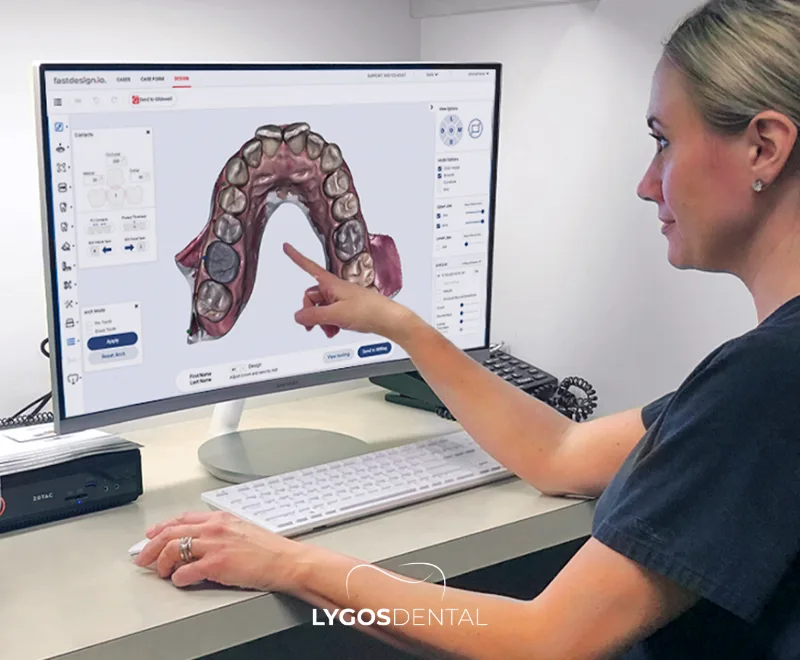
A crown isn’t a single product—it’s a sequence of appointments and steps that need accuracy. Your quote usually includes more than the crown itself, such as:
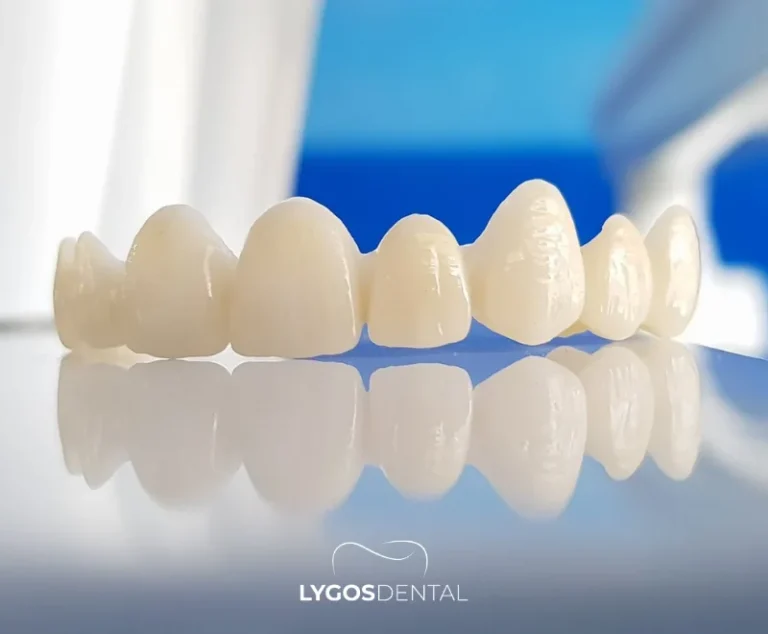
Crown materials vary in cost, appearance, and strength. Higher-end ceramics can look extremely natural, but they often require premium materials and more detailed lab work.
Common crown options include:
Most crowns are made by a dental laboratory, and you’re paying for skilled technical work and quality control. A lab that focuses on lifelike shading, accurate margins, and strong materials will typically charge more than a low-cost, high-volume lab.
Digital scanners and CAD/CAM systems can improve fit and reduce remakes, but the equipment and maintenance are expensive. Some clinics pass part of that investment into the crown fee, especially for same-day crowns.
A crown can be straightforward, or it can involve extra steps to make the tooth stable and healthy. Costs often increase when you also need a buildup, post-and-core, gum treatment, or root canal therapy.
Crowns depend heavily on preparation design, bite management, and finishing. Experienced clinicians may charge more, but their work can reduce the risk of sensitivity, poor fit, and early failure. If a crown needs to be remade due to fit or aesthetics, that adds time and lab cost.
Practice overhead matters. City-center rent, staffing, sterilization standards, modern imaging, and high-quality materials all influence pricing. Even with the same crown material, fees can vary widely by region.
Dental insurance may cover crowns when they’re medically necessary, but coverage varies by plan. Many policies pay a percentage after deductibles and apply annual maximums, which can leave a large out-of-pocket balance.
If a crown is considered cosmetic, coverage may be limited or excluded. It’s worth asking for a pre-treatment estimate so you know what your plan is likely to pay before you schedule treatment.
If cost is a concern, these steps can help you make a safer, smarter decision:
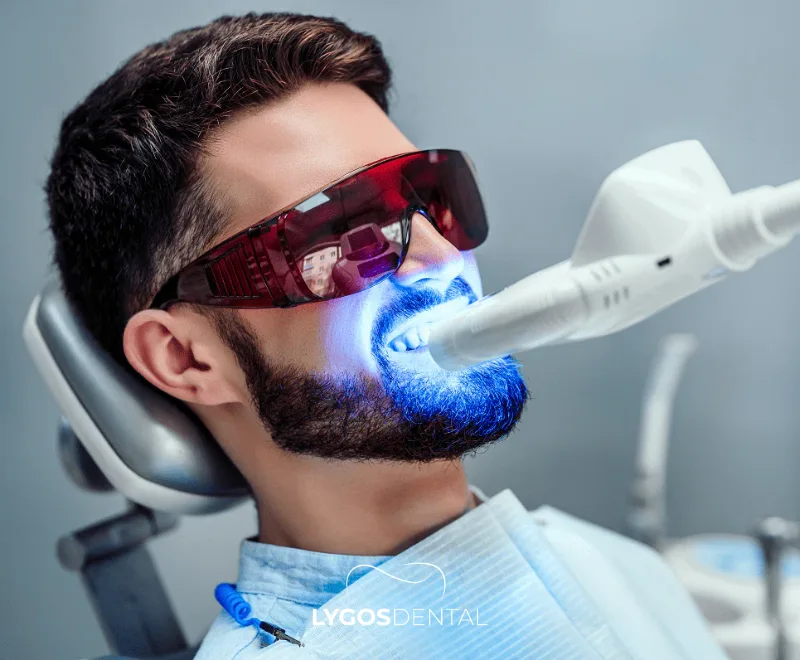
A crown isn’t always the only option. The right alternative depends on how much tooth structure is missing and where the tooth sits in your bite.
A dentist should confirm whether an alternative will hold up long-term. Choosing a cheaper option that fails early can end up costing more overall.
Contact us to learn more about Cosmetic Dentistry, Dental Crowns, Dental Implants, and General Dentistry. We can review your options and explain what affects your treatment cost.
Crowns cost more due to labs, materials, equipment, staff, time, and overhead.
Crowns protect weakened teeth from fracture, restore function, and seal large restorations.
Yes; crowns often cost similar or more than a root canal per tooth.
