
Mar 6, 2025
How to Perform Tartar Cleaning?
Therefore, understanding how to remove tartar is essential. So, how does tartar form, and how to…
Gum swelling is usually a sign of inflammation caused by plaque buildup, infection, irritation, hormonal changes, or certain medicines. It may show up as puffy, red, tender gums that bleed when brushing or flossing. Early care and a dental check-up help prevent gum disease and protect the teeth and supporting bone.
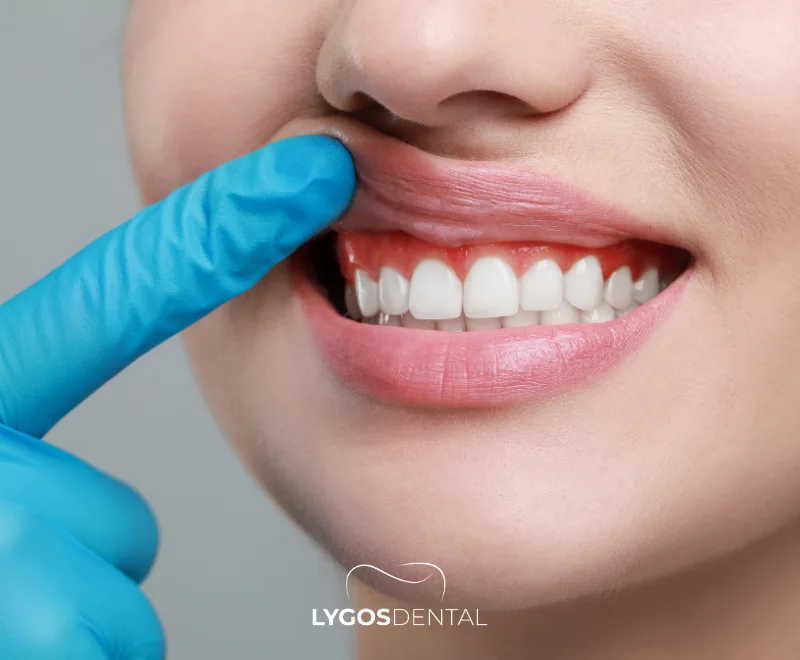
Swollen gums (also called gingival swelling) happen when gum tissue becomes inflamed and puffy. The gums may look darker red than usual, feel sore, and bleed easily. Swelling can be mild and limited to one spot, or it can affect the gums around many teeth.
Gum swelling and gum recession can look similar at a glance, but they are different problems. Swelling is an increase in gum size due to inflammation. Recession is when the gum margin moves upward and exposes more of the tooth or root, often making teeth look longer. Some people can have both at the same time, especially with gum disease.
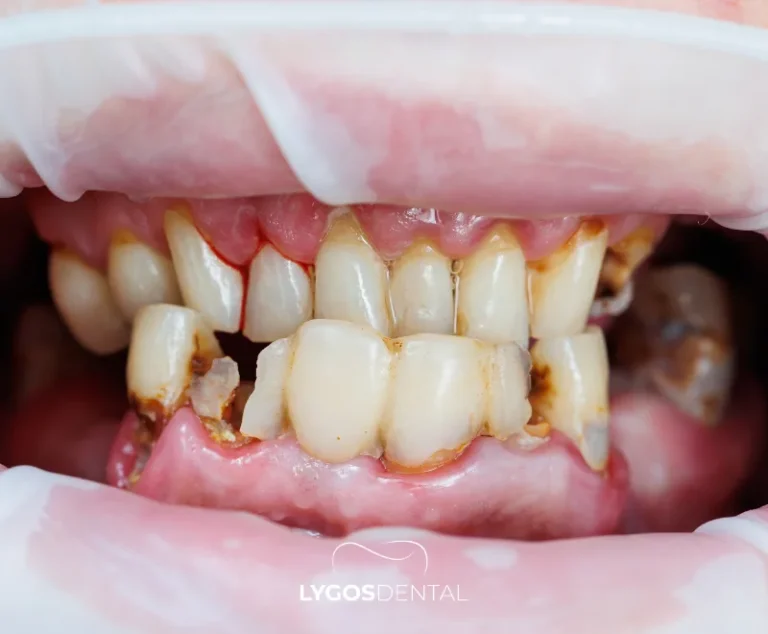
Swollen gums do not always hurt at first. Over time, you may notice changes such as:
The most common cause is plaque along the gumline. When plaque is not removed daily, it irritates the gums and triggers inflammation (gingivitis). Gingivitis is usually reversible with improved cleaning and professional dental care.
When gum inflammation is not treated, it can progress to periodontitis. This deeper infection can cause persistent swelling, gum pockets, bone loss, and loose teeth. Periodontitis requires professional treatment such as deep cleaning, and sometimes additional procedures.
Swelling limited to one area may be caused by food stuck between teeth, a sharp piece of tooth, or an irritating dental edge. Flossing gently and rinsing with water can help, but ongoing swelling should be checked to rule out infection or decay.
Hormonal shifts during pregnancy, puberty, and menopause can make gums more reactive to plaque. This can lead to swelling and bleeding even when plaque levels are not very high. Good daily cleaning and regular dental visits matter more during these times.
Tobacco increases the risk of gum disease and slows healing. It may also mask bleeding, so gum problems can progress quietly. Quitting tobacco is one of the most effective steps for long-term gum health.
Aggressive brushing, hard-bristled toothbrushes, or poor technique can irritate gum tissue. Switching to a soft brush and using gentle, angled strokes along the gumline reduces trauma and helps the gums calm down.
Ill-fitting crowns, fillings, aligners, retainers, or dentures can rub the gums and trap plaque. If swelling started after dental work or a new appliance, have your dentist check the fit and margins.
Some medicines can contribute to gum swelling, or reduce saliva and increase plaque buildup. If swelling began after starting a new medication, do not stop it on your own. Ask your dentist or physician whether an alternative or additional oral care steps may help.
Low intake of key nutrients, especially vitamin C, can make gums more prone to bleeding and swelling. Stress, uncontrolled diabetes, and a weakened immune system can also worsen gum inflammation. If gum swelling is frequent, a health check may be part of the solution.

Seek urgent dental or medical care if you have swelling with fever, facial swelling, pus, severe pain, trouble swallowing, or difficulty breathing. These signs can indicate a spreading infection that needs prompt treatment.
Home care can ease mild swelling, but it should not replace a dental diagnosis. Helpful steps include:
Treatment depends on the cause and how advanced the inflammation is. Common options include:
Most gum swelling is preventable with consistent habits. Focus on daily plaque removal, gentle technique, and regular dental check-ups. A balanced diet, adequate hydration, and tobacco avoidance also support gum tissue and healing.
Mild swelling from temporary irritation may improve with better cleaning, but swelling that lasts more than a few days often needs a dental exam. If gum disease or infection is present, it usually worsens without treatment.
Not always. Swelling can also come from local irritation, hormonal changes, medications, or a dental appliance. A dentist can identify the cause and check for gum pockets or bone changes.
A common reason is food trapping, a cavity, a cracked tooth, or a gum pocket in that area. If swelling is localized, painful, or recurring, it should be evaluated.
It can help reduce bacteria and soothe gums, but it does not remove tartar or fix underlying issues. Use mouthwash as a support step, not a replacement for brushing, flossing, and professional care.

Therefore, understanding how to remove tartar is essential. So, how does tartar form, and how to…
 Blog
Blog
Teething In Babies: Symptoms, Timeline, And Safe Relief For Parents Teething is when your baby’s first…
So, how can gum recession in smokers be prevented? In this article, we will examine in…