
Jul 5, 2025
Most Preferred Dental Aesthetic Methods in 2026
Especially, the most preferred dental aesthetic methods in 2025 represent a revolution in smile design. Advancing…
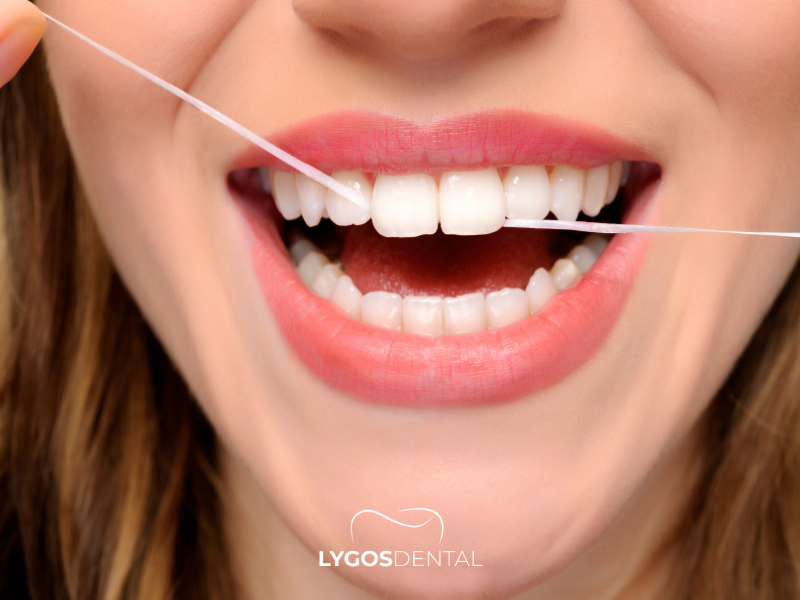
Flossing removes plaque and food debris from between your teeth and along the gumline—places a toothbrush often misses. Done daily and gently, it lowers the risk of gum inflammation and helps prevent cavities between teeth. If string floss is difficult, interdental brushes or water flossers can offer similar interdental cleaning benefits.
Brushing cleans the front, back, and chewing surfaces of your teeth. The tight spaces between teeth (and just under the gumline) are different: plaque builds up there quickly, and it’s easy to miss with a toothbrush. Flossing is a form of interdental cleaning that targets those narrow areas before plaque hardens into tartar.
When plaque sits near the gumline, the gums can become irritated and bleed when you brush or floss. That early stage is gingivitis, and it’s often reversible with consistent home care and professional cleanings. Adding interdental cleaning to brushing has been shown to reduce gingival inflammation over time.
Cavities don’t only form on the chewing surfaces. The sides of teeth are vulnerable too—especially where two teeth touch. Flossing removes plaque in those contact areas and makes it harder for bacteria to stay trapped between teeth.
Food and plaque caught between teeth can smell as bacteria break it down. Flossing clears out what brushing leaves behind, which often makes breath noticeably fresher. If breath issues persist despite brushing and flossing, a dental checkup can help rule out gum infection, decay, or dry mouth.
Researchers have found links between gum disease and conditions like cardiovascular disease. The relationship is complex and doesn’t prove that gum problems directly cause heart disease. Still, keeping gums healthy is a sensible part of overall health, and professional organizations encourage prevention and treatment of gum disease as good practice.
For most people, flossing once a day is enough—consistency matters more than the exact time. Nighttime is a popular choice because it clears the day’s buildup before you sleep. If you have braces, bridges, implants, or gum disease, your dentist may suggest additional interdental cleaning or specific tools.
Either order can work, but many dental professionals suggest flossing first. Clearing the spaces between teeth before brushing may help fluoride toothpaste reach more areas. If you prefer to floss after brushing, that’s fine too—the bigger win is doing it every day.
If traditional floss is difficult or uncomfortable, you still have options. Interdental brushes can be easier to control, especially if you have larger gaps, braces, or certain dental work. Water flossers can also help people who struggle with dexterity or have orthodontic appliances. The best tool is the one you’ll use consistently and correctly.
Book an appointment if you have ongoing bleeding, gum swelling, persistent bad breath, loose teeth, or pain when chewing. These can be signs of gum disease or decay that needs professional care. Regular checkups and cleanings also remove tartar that home tools can’t.
It removes plaque between teeth, reducing gum inflammation, bleeding, and periodontal disease risk.
Yes, some people do, but skipping flossing increases hidden plaque and gum disease risk.
Yes, flossing cleans between teeth where brushes miss, preventing cavities and gum disease.
Yes, they can spot interdental plaque, bleeding, tartar patterns, and gum inflammation.
Plaque hardens into tartar, gums inflame, bleed, and periodontal disease with tooth loss can develop.
Because plaque removal reduces inflammation and triggers a clean-mouth sensation and endorphin-like satisfaction.
