
Sep 22, 2025
5 Practical Ways to Prevent Sensitivity After Teeth Whitening | LYGOS DENTAL
In this article, we’ll explore to 5 practical ways to prevent sensitivity after teeth whitening..
Transparent (translucent) teeth usually mean the enamel has thinned, most often from acid exposure, teeth grinding, aggressive brushing, or reflux. Because enamel doesn’t grow back, the goal is to stop further wear and restore strength and appearance with options like fluoride support, bonding, veneers, or crowns—based on how much enamel has been lost.
Healthy teeth look slightly off-white and solid. When the edges of a tooth start to look clear or glassy—especially on the front teeth—it usually points to enamel thinning.
Enamel is the hard outer layer that protects the tooth. Under it is dentin, which is naturally darker and more yellow. As enamel wears down, more dentin shows through, making the tooth look translucent at the tips

Tooth transparency rarely has a single cause. It usually builds up over time from repeated exposure to acid, pressure, or abrasion.
Soda, energy drinks, citrus juices, sports drinks, and frequent snacking on acidic foods can soften enamel. Once enamel is softened, normal chewing and brushing can wear it down faster.
Night-time grinding (bruxism) or daytime clenching puts constant pressure on teeth. The edges and biting surfaces often thin first, which is why transparency commonly appears at the tips.
Scrubbing aggressively or using a hard-bristled toothbrush can gradually abrade enamel and irritate gums. A soft brush and gentle technique clean just as well with less damage.
Stomach acid is extremely erosive. If reflux reaches the mouth—especially at night—it can slowly dissolve enamel without you noticing until sensitivity or translucency appears.
Overusing whitening products can increase sensitivity and may make thin enamel look more translucent. Whitening doesn’t replace lost enamel, so it’s best used under dental guidance when enamel is already compromised.
Enamel naturally becomes thinner with age. Everyday chewing, past dental work, and long-term habits can speed up normal wear.
Sometimes it’s mainly a cosmetic concern, but it can also be a warning sign. Thinner enamel means less protection against temperature changes, acids, and physical stress.
With ongoing wear, teeth can become more sensitive, chip more easily, or develop rough edges. If you notice fast changes, sensitivity, cracks, or uneven tooth length, a dental exam is worth booking sooner rather than later.
The right solution depends on how much enamel is left and whether the tooth has weakened.
In early stages, a dentist may recommend fluoride varnish, prescription fluoride toothpaste, or remineralizing products to help strengthen the surface and slow further erosion. These options can’t rebuild lost enamel thickness, but they can improve resistance to acid and sensitivity.
For mild transparency, tooth-colored composite bonding can restore a solid-looking edge and add a protective layer. Bonding is conservative and typically completed in a single visit, though it can stain or chip over time and may need touch-ups.
If front teeth look see-through and the appearance bothers you, veneers can cover the front surface and create a more natural, even shade. Veneers are durable, but they usually require removing a small amount of enamel.
When the tooth structure is weakened or there are cracks, a crown or onlay may be the safest way to protect the tooth long term. These restorations reinforce the tooth and reduce the risk of fracture.
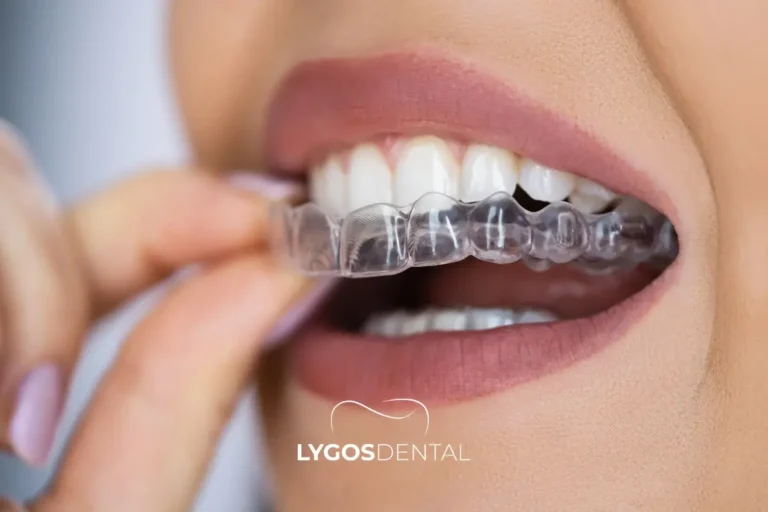
Small changes can slow enamel wear and help teeth keep their natural opacity.
Brush gently with a fluoride toothpaste for two minutes, twice a day. If you’re unsure about technique, ask your dentist or hygienist to show you a low-abrasion method.
After acidic drinks or meals, rinse with water and wait about 30 minutes before brushing. Brushing right away can scrub softened enamel.
Limit sipping acidic drinks over long periods. Use a straw when possible, and choose water between meals to give saliva time to neutralize acid.
If you wake up with jaw tension or notice flattened edges, ask about a night guard. Reducing grinding can prevent further thinning.
If you have frequent heartburn, speak with a medical professional. Managing reflux protects both your teeth and overall health.,
If you’re concerned about translucent teeth or sensitivity, a dentist can check for enamel erosion, grinding, or reflux-related wear and recommend the least invasive fix. Cosmetic options like bonding or veneers can often restore a natural, solid look once the underlying cause is under control.
Yes; early cases may remineralize, otherwise bonding, veneers, or crowns restore appearance.
Yes; use fluoride, limit acids, treat grinding, and consider cosmetic bonding.
Yes; it often signals enamel loss and higher sensitivity or decay risk.
Usually none; acid enamel erosion causes transparency, sometimes childhood vitamin D/calcium deficiency.
Vitamin D with adequate calcium supports remineralization; no vitamin rebuilds lost enamel.
No; vitamin D won’t reverse yellowing—professional cleaning or whitening treats discoloration.
