
Sep 18, 2025
Best Dental Clinics in Bahçelievler | LYGOS DENTAL
Best Dental Clinics in Bahçelievler, such as Lygos Dental, offer comprehensive solutions to patients with modern…
Tongue sores usually occur when the tongue’s surface becomes irritated or inflamed—most often from accidental biting, sharp teeth, spicy or acidic foods, or canker sores. Less commonly, infections, vitamin B12/iron/folate deficiency, allergies, or autoimmune conditions play a role. A sore that doesn’t improve within two weeks should be checked.
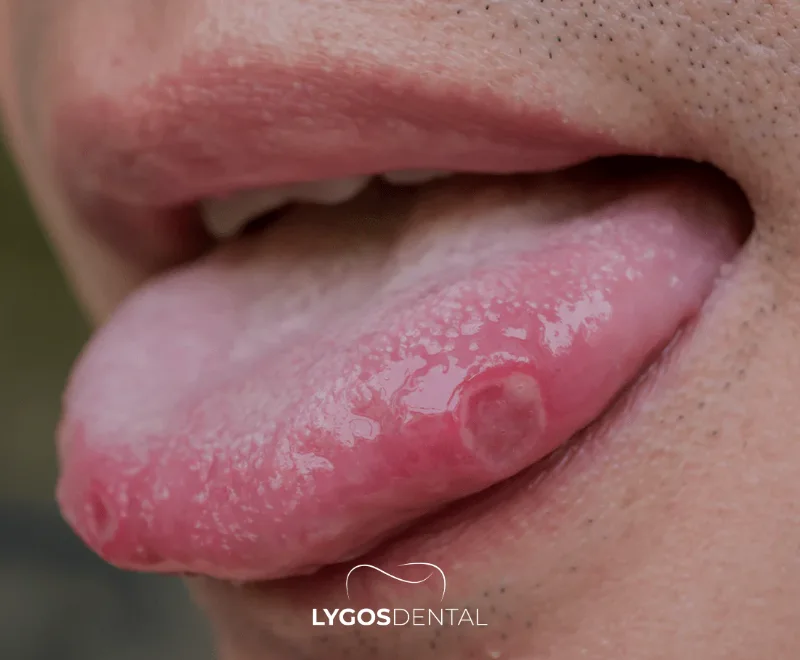
A tongue sore is a tender spot, ulcer, or inflamed area on the tongue that can sting or hurt, especially when you eat, drink, or speak. Some sores look like a small red patch, while others form a shallow crater (ulcer) with a white or yellow center. Many are harmless and temporary, but recurring or slow-healing sores can sometimes point to an underlying issue.
Tongue tissue is sensitive and can react quickly to irritation. The causes below are the most common reasons people develop a painful sore on the tongue.
Everyday injuries are a leading cause of tongue soreness. This includes biting your tongue, rubbing against a sharp tooth or filling, irritation from braces, or pressure from an ill‑fitting denture.
Canker sores are small, round or oval ulcers that can appear on the tongue and other soft tissues in the mouth. They are not contagious, but they can be very painful. Many cases heal on their own within about 7–14 days.
Common triggers include:
Spicy, acidic, or very salty foods can inflame the tongue’s surface and make small breaks in the tissue feel worse. Alcohol-containing mouthwashes and strong whitening products can also irritate sensitive mouths.
Some tongue sores are related to infections. Cold sores (herpes simplex) can cause painful blisters and ulcers in or around the mouth and may be contagious. Oral thrush (a yeast infection) can also cause soreness and a burning feeling, often with white patches.
If you suspect an infection, avoid sharing utensils, cups, or towels until you’re assessed.
Low levels of vitamin B12, iron, or folate can affect the lining of the mouth and contribute to a sore or inflamed tongue. If tongue sores are frequent, a clinician may recommend blood tests to check for deficiencies.
Chronic stress can be linked to recurring mouth ulcers for some people. Tobacco and alcohol can irritate the oral tissues and slow healing, especially if sores keep returning.
Some people react to ingredients in toothpaste, mouthwash, or certain foods. Flavourings, strong detergents, and preservatives can trigger soreness or ulcer-like lesions in sensitive individuals.
Recurrent tongue sores can occur with certain systemic conditions such as Behçet’s disease, coeliac disease, inflammatory bowel disease (Crohn’s disease), and lupus. These conditions usually come with other symptoms beyond the mouth, so a broader medical review may be needed if sores are persistent or frequent.

Tongue sores can look and feel different depending on the cause. Common symptoms include:
Most minor tongue sores improve with simple care and a little time. The goal is to reduce irritation, keep the area clean, and manage pain while the tissue heals.
Home care options include:
Some people also find aloe vera gel or a small amount of honey soothing when applied to the sore. (Honey should not be given to children under 12 months.)
Get professional advice if a tongue sore is severe, keeps coming back, or doesn’t improve as expected. A clinician can check for dental causes (like a sharp edge), signs of infection, and less common conditions that need treatment.
Seek an assessment sooner if you notice:
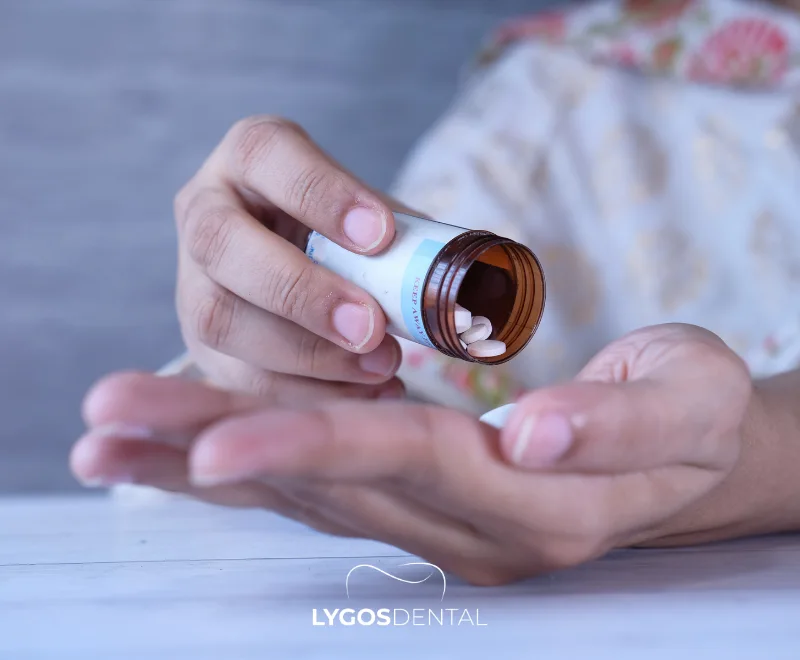
Treatment depends on the underlying cause. After an exam, a dentist or doctor may recommend one or more of the options below.
Not every tongue sore is preventable, but a few habits lower the odds of recurrence. Focus on reducing irritation and supporting good oral and general health.
Aphthous ulcers, trauma, infections, allergies, irritants, and nutritional deficiencies commonly cause tongue sores.
Rinse saltwater, avoid irritants, use topical anesthetic, and see a dentist if persistent.
Most heal within 7–14 days; longer than two weeks needs evaluation.
Use saltwater rinses, topical numbing gel, soft foods, and avoid spicy or acidic items.
Yes, stress can trigger or worsen aphthous ulcers on the tongue.

Best Dental Clinics in Bahçelievler, such as Lygos Dental, offer comprehensive solutions to patients with modern…
A confident smile can leave a strong impression and boost self-esteem. Over the years, many celebrities…
 Blog
Blog
What Do Dreams About Teeth Mean? Dreams about teeth often reflect how you’re coping with stress,…