
Aug 5, 2025
Does Tartar Cleaning Damage Tooth Enamel?
However, many people wonder: “Does Tartar Cleaning Damage Tooth Enamel?” In this article, we will explore…
Zirconia crowns (often called “zirconium” crowns) are metal‑free ceramic crowns valued for a natural, light‑reflecting look and good gum tolerance. Metal‑supported crowns (porcelain‑fused‑to‑metal) use a metal core for proven strength, but may look more opaque and can show a gray line if gums recede. The best choice depends on tooth location and bite forces.
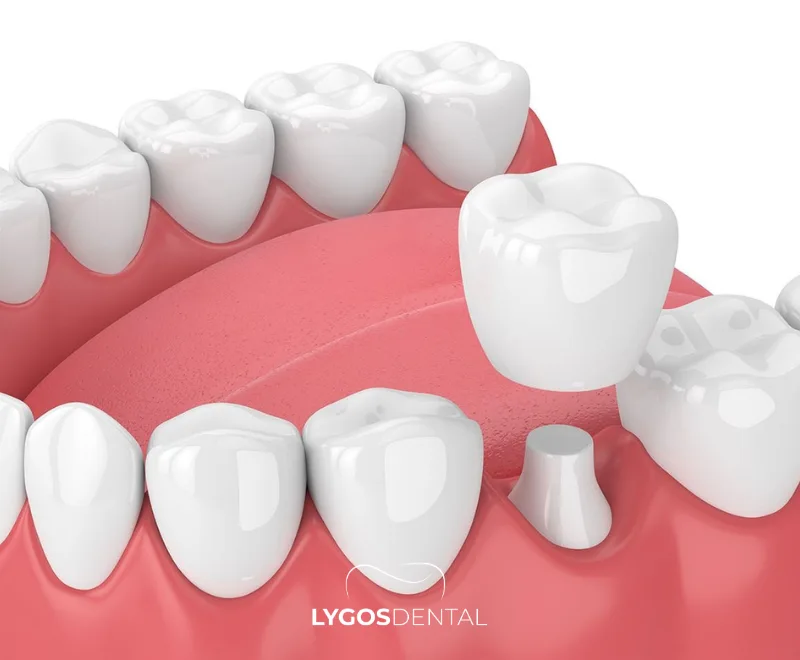
A zirconia crown is an all‑ceramic crown made from zirconium dioxide, a high‑strength dental ceramic. Many clinics call it a “zirconium crown,” but the crown itself is zirconia. Because it contains no metal, it can look closer to a natural tooth, especially near the gumline.
Zirconia crowns are commonly produced with digital scanning and CAD/CAM milling for a precise fit. They can be made as monolithic zirconia (one solid piece) for strength, or layered with porcelain for extra translucency in visible areas. Your dentist will choose the design based on where the tooth sits and how you bite.
A metal‑supported crown is usually a porcelain‑fused‑to‑metal (PFM) crown. It has a metal substructure for strength with a porcelain outer layer for tooth‑colored appearance. PFM crowns have a long clinical track record and are still used widely, especially where durability matters.
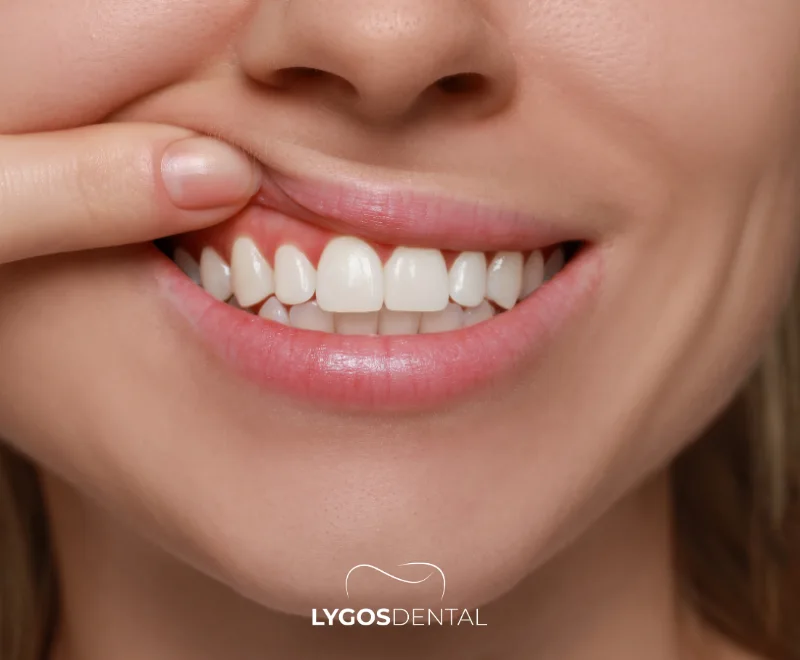
Because the core is metal, the crown can appear less translucent than natural enamel. If the gums recede over time, a thin dark line at the edge of the crown may become visible. This is mainly an aesthetic issue, but it can be a deciding factor for front teeth.
| Factor | Zirconia (“Zirconium”) Crown | Metal-Supported Crown (PFM) |
| Appearance | Naturally tooth‑colored and can reflect light; no metal margin at the gumline. | Tooth‑colored porcelain on top, but can look more opaque; metal edge may show if gums recede. |
| Strength Under Bite Force | Very strong and fracture‑resistant; monolithic designs are often chosen for molars and heavy bites. | Strong metal framework; porcelain veneer can chip in some cases. |
| Gumline Look Over Time | No gray line from metal; usually a cleaner gumline appearance. | Higher chance of a gray/dark line if gum tissue thins or recedes. |
| Allergy / Sensitivity | No metal; very low risk of material sensitivity. | Depends on the alloy; sensitivities can occur in a small number of patients (often nickel‑related). |
| Tooth Reduction | Often needs slightly less space than PFM, depending on the case and crown design. | May require more room for both metal and porcelain layers. |
| Best Fit For | Patients prioritizing aesthetics, gum harmony, or metal‑free dentistry; also common for molars when strength is needed. | Patients who want a proven option for back teeth or when a metal framework is preferred. |
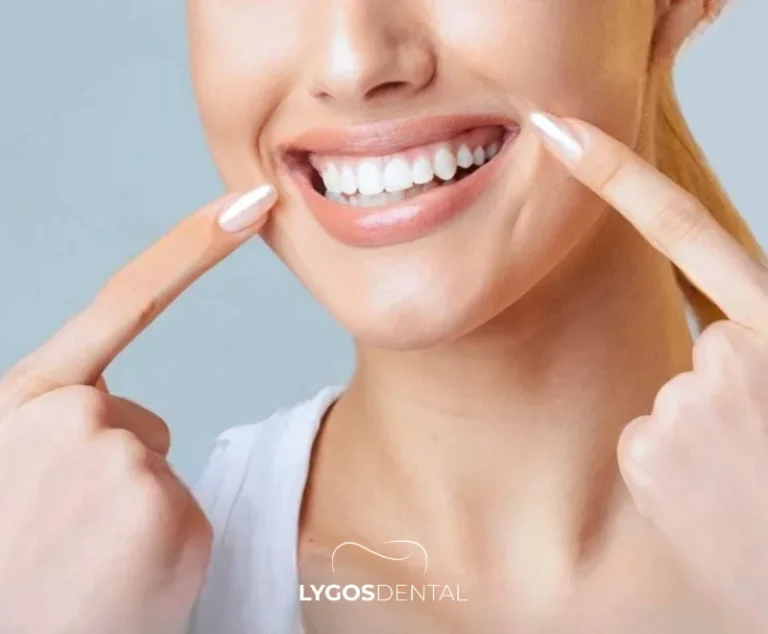
Zirconia is often chosen for front teeth because it avoids a metal edge and can look more natural at the gumline. If you have a thin gumline or a high smile line, this difference can be noticeable. For very high translucency needs, your dentist may consider a layered zirconia option.
Both materials can work well on molars. Monolithic zirconia is frequently selected when maximum strength is needed, such as in patients who clench or grind. PFM can also be a solid choice, particularly when the bite is complex and a metal substructure offers predictable support.
If you are prone to gum recession or you have had a dark crown margin in the past, zirconia may be the safer aesthetic bet. Metal‑supported crowns can look excellent at first, but recession can reveal the metal edge. Your dentist can also design margins to reduce visibility, yet the risk cannot be fully removed.
If you have reacted to jewelry metals or have been told you have a nickel sensitivity, tell your dentist before choosing a crown. Zirconia is metal‑free and is often selected for patients who want to avoid metal alloys. When PFM is still preferred, your dentist can discuss high‑noble or nickel‑free alloy options.
Any crown material can contribute to wear if the bite is uneven or the surface is rough. With zirconia, careful polishing after bite adjustments helps reduce wear against the opposing tooth. Ask your dentist how the crown will be finished and checked after cementation.
Fees vary by clinic, lab, and the complexity of the case, so it is rarely helpful to compare prices without an exam. Zirconia crowns can cost more because of material and lab processes, especially when advanced shading or layering is used. PFM crowns are often positioned as a cost‑effective option with a long history of use.
Value is not only about price. A crown that fits well, supports the bite, and is easy to keep clean can save you time and discomfort later. When you compare options, ask what is included in the fee, such as temporary crowns, follow‑up checks, and warranty policies.
Zirconia crowns generally look more natural at the gumline because there is no metal underneath. That said, an experienced dentist and dental lab can make a PFM crown look very good, especially on back teeth. Shade matching and gum position are often more important than the material alone.
They can. If the gumline recedes or thins, the metal margin may become visible as a gray or dark line. This is less common with zirconia because it has no metal substructure.
Both can be strong choices for molars. Monolithic zirconia offers high fracture resistance, while PFM benefits from a metal framework with decades of clinical use. Your dentist will consider your bite, tooth structure, and habits like grinding.
Zirconia is metal‑free, so it is commonly used when patients want to avoid metal alloys. True allergies to crown materials are uncommon, but sensitivities to certain dental metals can occur. If you have a known allergy, share it before treatment so the alloy choice can be adjusted.
Polished zirconia is generally considered wear‑friendly, especially when the bite is balanced. Rough or heavily glazed surfaces can increase wear, which is why finishing and polishing matter. Follow‑up visits help your dentist fine‑tune the bite if needed.
Crown lifespan depends on fit, bite forces, oral hygiene, and habits such as grinding. Many crowns last for years with good care, but no material is “lifetime.” Regular checkups help catch small issues before they become failures.
